| What sets the price | Home size, vent count, system age, contamination level |
| Cleaning frequency | Every 3 to 5 years (NADCA) |
| Full system includes | Ducts, furnace blower, coils, registers, air handler |
| Cheap-quote red flag | Key components get excluded |
| Our price | Free quote based on your home |
Key takeaways
- A quote that skips the furnace blower, coils or return side leaves the dirtiest parts of the system untouched, and debris ends up back in the supply runs within weeks
- Your home’s vent count, number of systems, contamination level and accessibility all change the scope of the job, so a flat price with no questions means the company is guessing
- Proper source-removal cleaning improves supply airflow by 10 to 46% according to NADCA; a quick pass with a shop vac does not come close
Your HVAC system pulls air through the return ducts, conditions it through the furnace or air handler, and pushes it back out through the supply runs. That loop runs 5 to 7 times per day on average, according to NADCA. Every cycle moves whatever is sitting in the ducts, on the blower wheel and across the coils: dust, pet dander, construction debris, and whatever BC’s damp coast and wildfire seasons have deposited over the years.
The job is cleaning that entire loop. The price reflects how big the loop is in your house, how dirty it is, and how hard it is to reach. A cheap quote covers less of it.
What a real quote accounts for
NADCA notes that duct cleaning costs vary based on the services offered, system size, accessibility, climatic region, level of contamination and duct material. In practical terms, that breaks down to a handful of questions any legitimate company will ask before they quote you.
How many vents and how many systems
A single-furnace rancher with 10 supply vents is a smaller job than a two-storey home with two furnaces and 24 vents. More vents means more access points to clean, more trunk line to cover, and more time on site.
How contaminated the system is
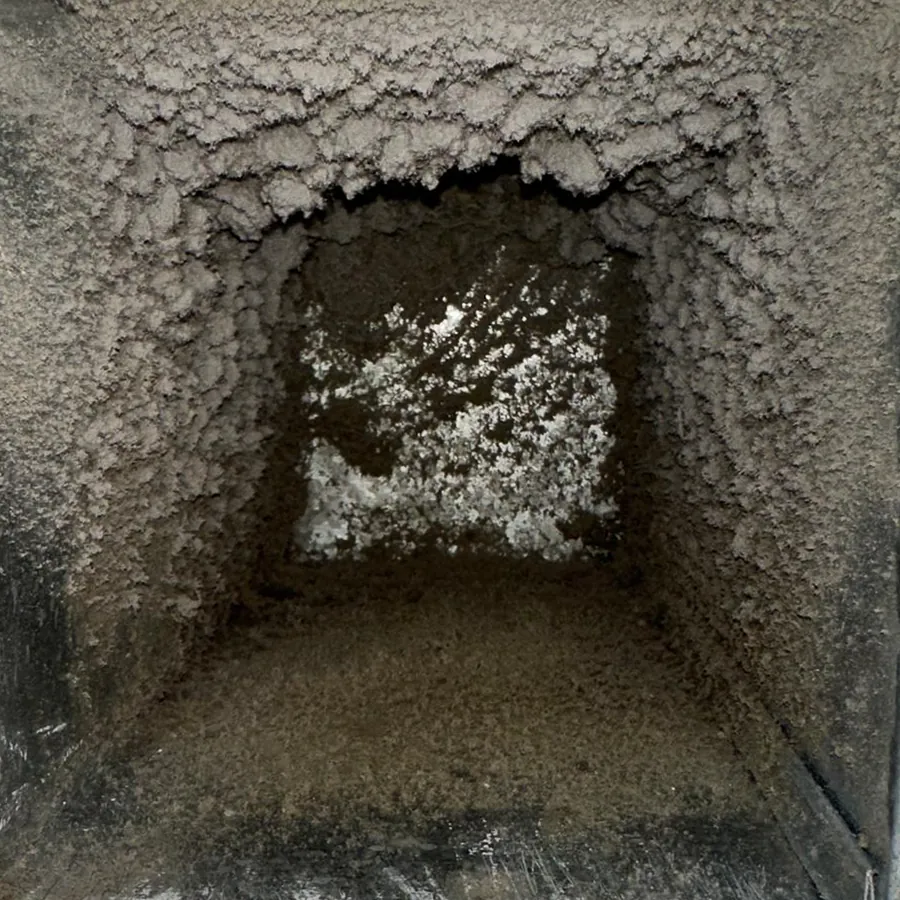
A home that has been cleaned every 3 to 5 years needs a standard cleaning. A home that has never been cleaned, went through a renovation, or has pet hair matted against every return grille takes longer. Heavy contamination sometimes means the crew needs to cut additional access openings in the ductwork to reach packed sections of trunk line.
How accessible the ductwork is
Ducts in an unfinished basement with open ceiling joists are straightforward. Ducts in a crawlspace, behind drywall or routed through a tight attic take more time and more setup. Access affects both labour and equipment needs.
What a complete cleaning actually covers
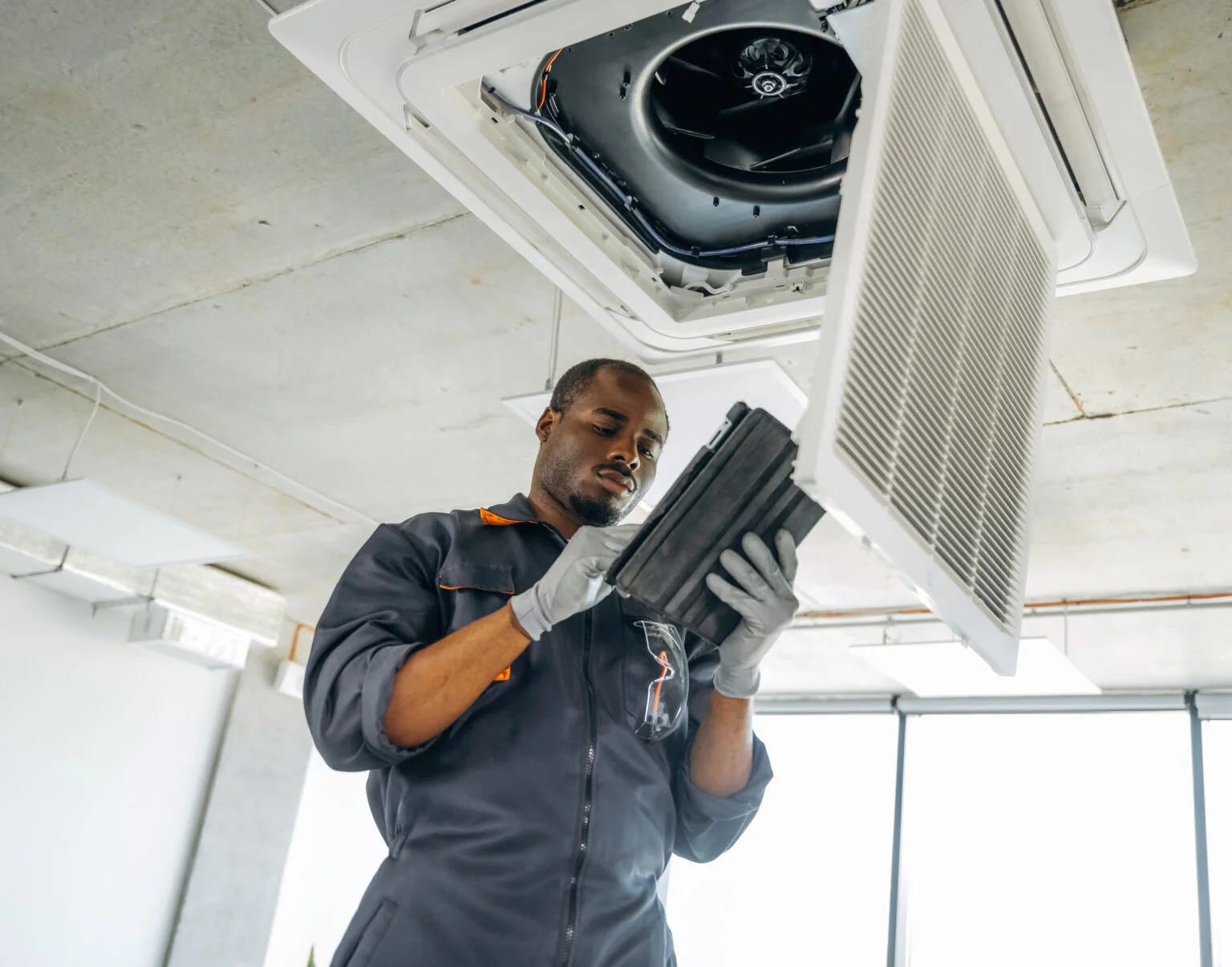
The supply pipes running to each vent are the part of the system you can see. The system includes far more than that. According to the EPA, a proper cleaning should address the supply and return air ducts and registers, grilles and diffusers, heat exchangers heating and cooling coils, condensate drain pans, fan motor and fan housing, and the air handling unit housing.
NADCA requires its members to use source removal as the only acceptable method of cleaning. That means placing the system under negative air pressure with HEPA-filtered equipment, then dislodging contaminants from every surface so the vacuum captures them at the source. After cleaning, all portions of the system should be visibly clean.
Pro tip: Before you sign a quote, ask which components are included. If the answer does not mention the blower assembly, evaporator coil or return air side, the quote covers only part of your system.
What a cheap quote leaves out
NADCA warns that low “whole house” offers often include only limited portions of the system and may exclude critical components such as the air handler, blower fans, coils, registers, or necessary access openings. NADCA’s term for these operations is “blow-and-go”: a crew runs a hose through the accessible supply vents, skips the hard parts, and moves on.
Here is what gets skipped:
- The return side. Return air ducts carry the dirtiest air in the system, and they are often harder to access than supply runs. Skipping them means the main contamination source stays in place.
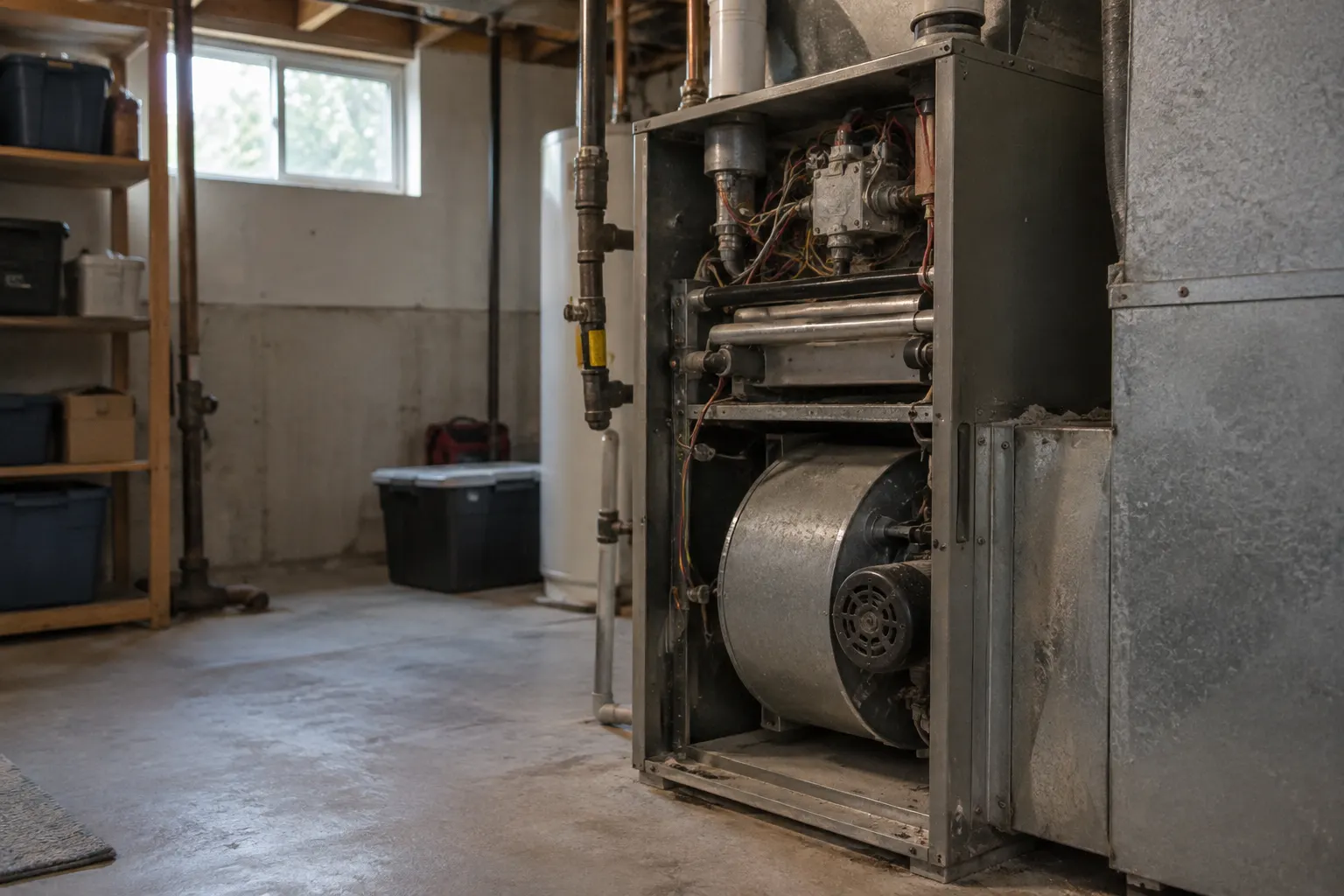
- The furnace blower and coils. The blower wheel and evaporator coil collect the densest buildup because air passes directly over them every cycle. A crew that only snakes the supply runs and leaves the blower caked with dust has cleaned maybe half the system.
- Access openings. Proper cleaning sometimes requires cutting access panels into the ductwork, sealed to SMACNA standards after the job. A budget crew avoids this, which means they cannot reach packed sections of the trunk line.
Heads-up: NADCA warns that in the duct cleaning industry, scams are all-too-common, with fraudulent service providers eager to cheat homeowners. If a company quotes a flat rate without asking about your home, treat it as a red flag.
What proper cleaning saves you
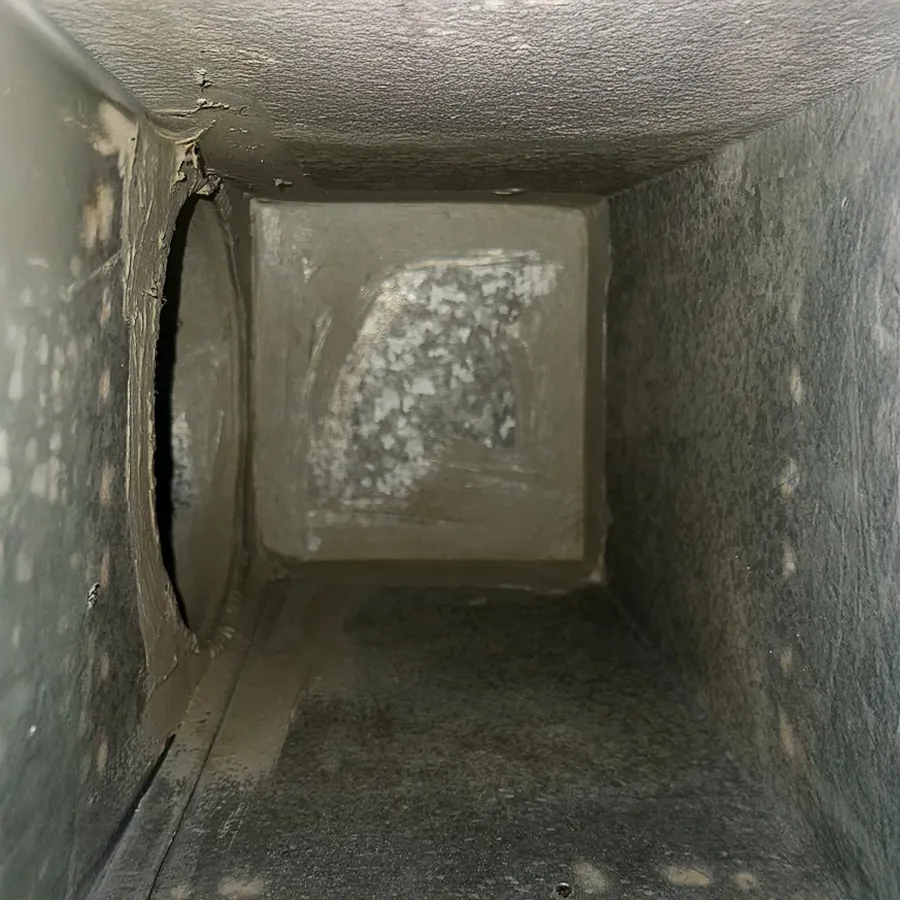
NADCA’s own data shows a 10 to 46% improvement in supply airflow once systems are properly cleaned. Clean, efficient systems are less likely to break down, have a longer life span, and generally operate more effectively than dirty systems.
The average home yields 47 lbs of mold, dust, and debris during a full cleaning. Homeowners see a 26% drop in energy use after duct cleaning, which adds up to $1,020 saved between services on heating and cooling.
How we quote a duct cleaning
We ask about your home first: how many vents, how many furnaces, whether there are pets, recent renovations, or a system that has never been cleaned. We quote condos and apartments individually. The price reflects your actual scope.
We are NADCA certified with 10+ years of experience and carry $5M liability insurance with full WorkSafeBC coverage. Every residential cleaning uses source-removal methods with HEPA-filtered negative-air equipment. If your home needs sanitizing, we use Benefect Decon 30, a Health Canada approved, plant-based disinfectant.
Before we close the system, we invite you to view the final cleaning of the main trunk. You see what came out and can confirm the work is done.
If you have been comparing quotes and something feels off about the cheapest one, it probably is. Get a free quote and we will walk you through exactly what your cleaning includes.
For a deeper look at what separates a qualified company from the rest, read our guide on how to choose a duct cleaning company.
Where we do this work
Vancouver, North Vancouver, West Vancouver, Burnaby, Richmond, Surrey, Coquitlam, Port Coquitlam, Port Moody, New Westminster, Delta, Langley, White Rock, Maple Ridge, Pitt Meadows, Abbotsford. See all service areas.