| Top check | NADCA membership and ASCS on staff |
| Insurance | General liability + WorkSafeBC |
| Cleaning method | Source-removal with HEPA vacuuming |
| Written scope | Every component listed before you pay |
| Price | Free quote |
Key takeaways
- NADCA membership means the company keeps a certified ASCS on staff, carries general liability insurance and follows the ACR standard on every job.
- Ask for a written estimate that names every component being cleaned. If the quote is just a dollar figure with no scope, that is a red flag.
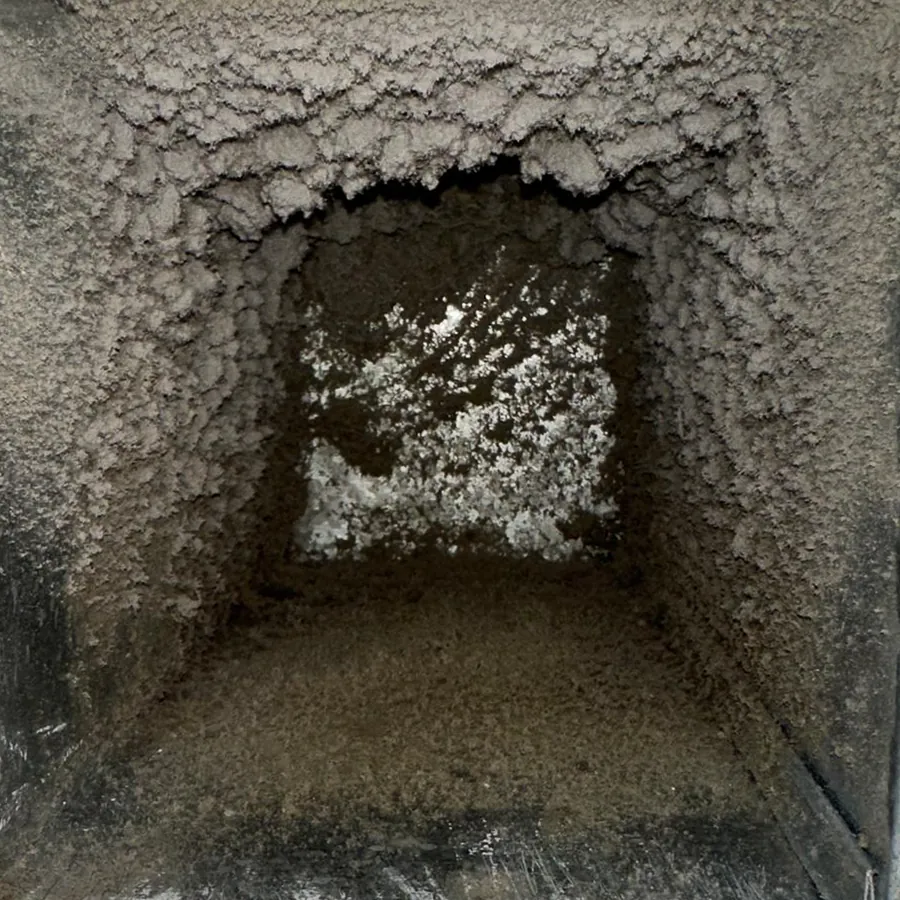
- Your HVAC system re-circulates indoor air 5 to 7 times per day. Source-removal cleaning with HEPA vacuuming is the method NADCA endorses to actually remove what builds up in those ducts.
- A proper residential cleaning removes an average of 47 lbs of mold, dust, and debris per home. Shortcuts leave most of it in place.
Hiring a duct cleaner in Metro Vancouver should not feel like a gamble. BC’s damp coast, seasonal wildfire smoke and long heating seasons mean real buildup in residential ductwork, and the company you pick determines whether that buildup actually comes out. NADCA’s own homeowner resources warn that scams are all-too-common in this industry. The seven checks below help you tell a qualified crew from one that will not do the work properly.
1. NADCA membership
The single most useful credential to check. NADCA members must have at least one NADCA certified Air Systems Cleaning Specialist (ASCS) on staff, maintain general liability insurance and clean according to ACR, the NADCA Standard. They also agree to comply with NADCA’s Code of Ethics.
Ask for the company’s NADCA member number and look it up at breathingclean.com. If they cannot give you a number, or if the number does not come back active, move on. We wrote a full guide to what NADCA certification covers if you want the detail on the ASCS exam, continuing education and the ACR standard itself.
2. Insurance and WorkSafeBC
In BC, all employers are legally required to have WorkSafeBC coverage. A duct cleaning company should also carry general liability insurance. If something goes wrong on the job, you need to know the company is covered. AirCare carries $5M liability insurance and is WorkSafeBC compliant.
Ask the company directly: “Are you WorkSafeBC registered and do you carry general liability insurance?” A company that hesitates or says they are “working on it” is not the one you want in your home.
3. Source-removal cleaning
This is the method, and it matters. NADCA was formed specifically to promote source removal as the only acceptable method of cleaning. Source-removal cleaning uses HEPA-filtered negative-air vacuuming and compressed-air agitation to physically pull contaminants out of your ductwork.
The EPA recommends that providers use vacuum equipment that exhausts particles outside of the home or use only high-efficiency particle air (HEPA) vacuuming equipment. If a company cannot explain their method or does not use HEPA vacuuming, the debris is being loosened and redistributed, not removed.
Your HVAC system re-circulates indoor air 5 to 7 times per day. Whatever is in the ducts passes through your living space on every cycle, affecting your indoor air quality. A residential cleaning removes an average of 47 lbs of mold, dust, and debris per home, and homeowners see a 26% drop in energy use once the buildup is gone.
4. Written estimate with a real scope
The EPA advises homeowners to get written estimates before deciding. A good estimate tells you exactly what is included: supply runs, return runs, every register, the blower compartment, the area around the heat exchanger, and whether sanitizing is part of the scope.
A quote that says “whole house” and a single low number with no detail is not a written estimate. It is a door opener. The crew shows up, the price changes, and the work that actually gets done is anyone’s guess.
Pro tip: Before you book, ask the company to list every component they will clean. If they cannot name the parts of your HVAC system, they probably are not cleaning all of them.
5. Full-system scope
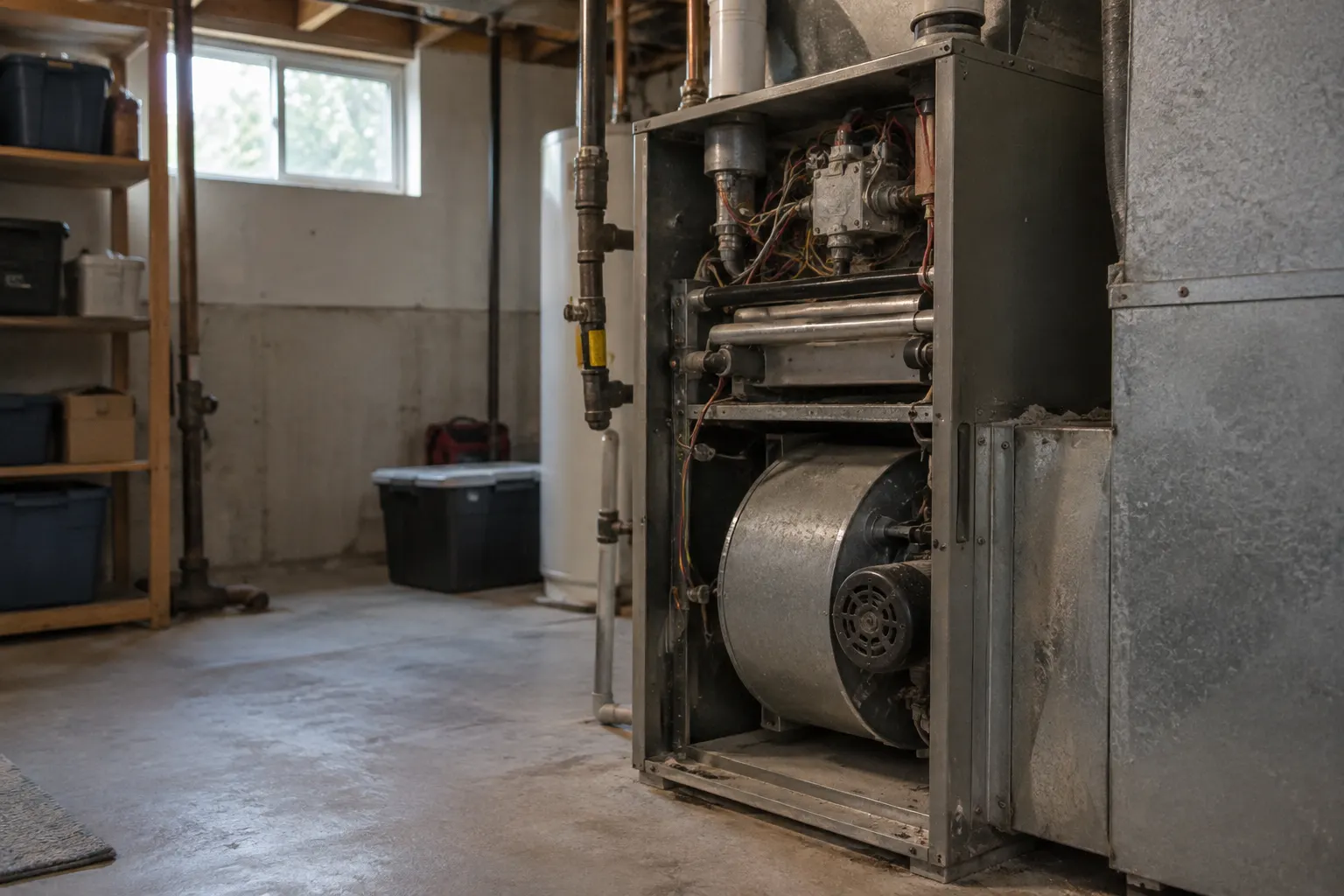
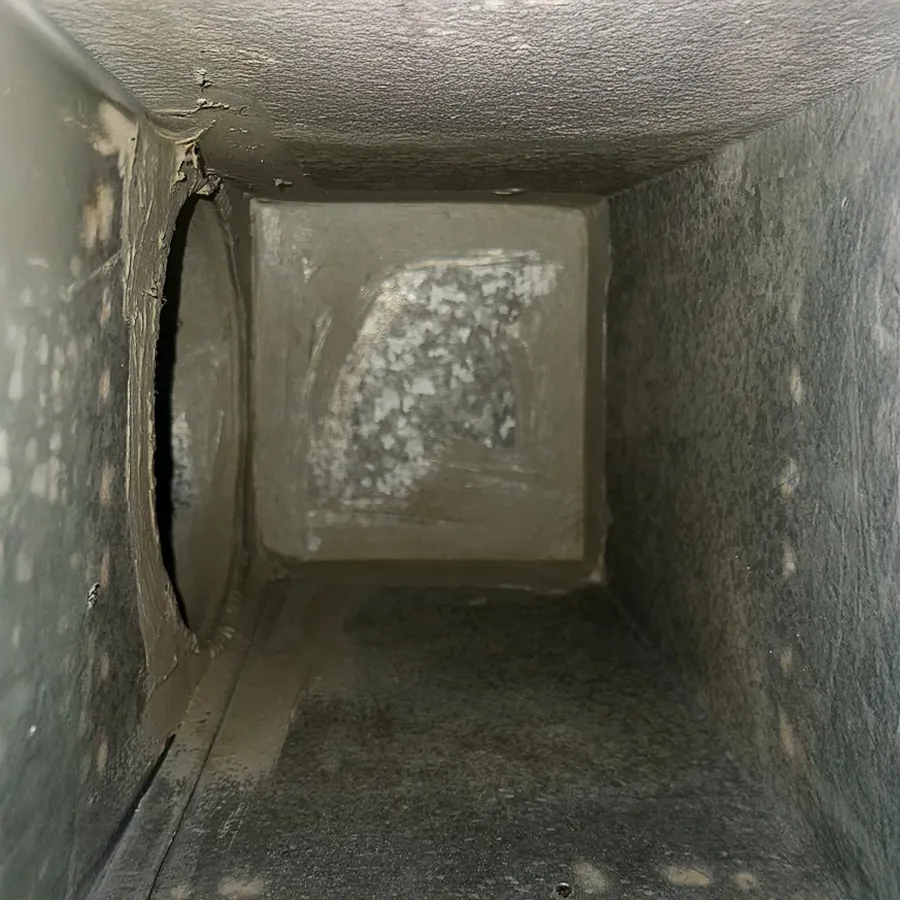
NADCA’s position is clear: the entire HVAC system should be cleaned. That means supply ducts, return ducts, registers, the blower compartment and the evaporator coil area. A company that only cleans “the vents” or “the main trunk” is leaving most of the system untouched.
The EPA also states that providers should open access ports or doors to allow the entire system to be cleaned and inspected. If the crew never opens a single access point, they are not reaching the full system.
6. Reviews and references
The EPA recommends you check references to be sure other customers were satisfied and did not experience any problems with their heating and cooling system after cleaning. Online reviews are the modern version of that: look for volume and consistency, not just a perfect number.
AirCare has 100+ Google reviews at a 5.0 rating and has served 500+ Metro Vancouver homes. Those numbers are publicly verifiable. When comparing companies, check whether reviews mention the actual work (how long the crew was on site, what they cleaned, whether they left the home tidy) or just generic praise.
7. Sanitizing transparency
If the company offers sanitizing or fogging, ask what product they use and whether it is Health Canada approved. Some companies spray an undefined “deodorizer” after a partial clean. That is not sanitizing.
AirCare uses Benefect Decon 30, a Health Canada approved, plant-based disinfectant used by mould remediation and restoration companies and in hospital and clinic work. It is applied after source-removal cleaning is complete, not as a substitute for it. Before closing the system, the technician invites you to see the final cleaning of the main trunk so you can judge the result yourself.
Heads-up: A company that leads with sanitizing or fogging but cannot describe their source-removal process is likely masking a partial clean. The cleaning comes first. Always.
Book with a company that checks every box
AirCare Systems BC is NADCA certified, with 10+ years of experience, $5M liability insurance, WorkSafeBC compliance and 100+ Google reviews at a 5.0 rating. We clean according to the ACR standard on every job, and every quote comes as a written estimate with the full scope listed.
Get a free quote: tell us about your home and we will send your quote by text and email. Want to know how often to clean your ducts? We have a guide for that too.
Where we do this work
AirCare Systems BC cleans residential ductwork across Metro Vancouver and the Fraser Valley: Vancouver, North Vancouver, West Vancouver, Burnaby, Richmond, Surrey, Coquitlam, Port Coquitlam, Port Moody, New Westminster, Delta, Langley, White Rock, Maple Ridge, Pitt Meadows and Abbotsford.