
| Duct type | Flex duct (not rigid metal) |
| Where ducts run | Under the floor, inside the belly cavity |
| Key difference | No service openings in flex; clean from ends |
| Double-wide extra | Crossover duct between halves |
| How often | Every 3 to 5 years (NADCA) |
| Price | Free quote |
Key takeaways
- Mobile and double-wide homes use flexible duct under the floor, not the rigid sheet metal found in most site-built houses. The cleaning approach changes because of that.
- Underfloor ducts sit in an exposed belly cavity where moisture, pests, and ground-level debris collect faster than they would in an attic or wall chase.
- A crossover duct connecting the two halves of a double-wide is the most vulnerable run in the system and the first place to check.
- Flex duct can be cleaned when it is in decent shape. Older or damaged sections sometimes make more sense to replace.
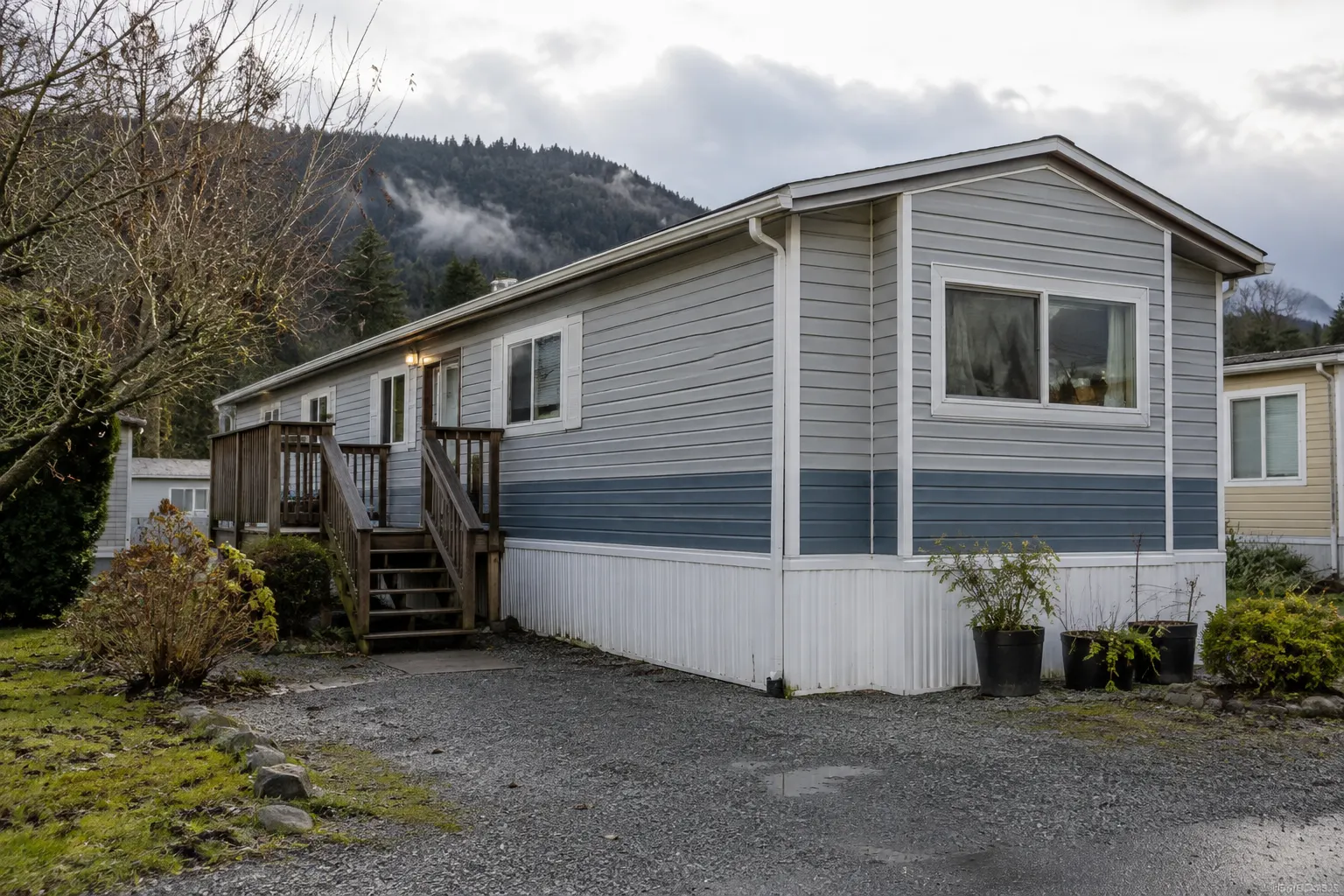
Mobile and manufactured homes built to the CSA Z240 standard use a different duct layout than a typical Vancouver-area house. Instead of rigid sheet-metal runs through walls and ceiling cavities, most mobile homes route flexible ductwork through a belly cavity under the floor. The furnace is usually a downflow unit that pushes heated air downward into that belly space, and the ducts branch out from there to floor registers in each room. Double-wide homes add a crossover duct that links the furnace side to the other half of the home, running under the marriage line where the two sections meet.
That layout is fine when everything is sealed and supported. The trouble starts when flex duct sags, tears, gets damp, or becomes a highway for mice and insects. In BC’s coastal climate, the underside of a mobile home sees a lot of moisture, and a torn belly board is an open invitation for pests. Your indoor air recirculates through the HVAC system 5 to 7 times per day on average, so anything living in those ducts ends up in the air you breathe.
What makes mobile home ductwork different
1. Flex duct instead of rigid metal
Conventional homes have galvanized steel ducts that a technician can cut access panels into, brush out, and reseal. Flex duct does not work that way. You cannot cut service openings in flexible ductwork. Instead, the technician disconnects each run at both ends, cleans it under negative pressure, and reconnects it. NADCA confirms that most flex ducts have a metal spiral support to allow for contact vacuuming and other cleaning methods.
2. Belly-mounted runs
The entire duct system hangs under the floor inside a belly cavity, enclosed by a belly board (a fabric or rigid panel stapled to the bottom of the floor joists). To access the ducts, the technician works from underneath the home. That means the home needs enough crawl space clearance for someone to get under it and manoeuvre tools. Skirting panels come off, the belly board section opens, and the work happens from below.
3. The crossover duct on a double-wide
If you have a double-wide, the crossover duct is the single most important run to inspect. It bridges the gap between the two halves of the home, often running through an exposed area beneath the marriage line. Because it spans that gap, it sags more than other runs, collects condensation, and is the first duct rodents find. A pinched or torn crossover will starve the far side of your home of airflow, leaving some rooms noticeably cooler in winter and stuffier in summer.
4. Downflow furnace configuration
Most site-built homes use an upflow furnace in a basement or closet. Mobile homes typically use a downflow furnace that sits at floor level and pushes air down into the belly plenum. The blower, heat exchanger, and supply plenum all get cleaned as part of a full duct cleaning. Access to the furnace itself is usually straightforward since it sits in an interior closet or hallway alcove.
Signs your mobile home ducts need attention
You do not always see the problem in a mobile home because the ducts are hidden under the floor. Watch for these:
- Musty or earthy smell from floor registers, especially when the system kicks on. Underfloor ducts sitting in a damp belly cavity can develop mould. CMHC notes that the key to controlling mould is moisture control, and a torn belly board lets that moisture right in.
- Uneven heating or cooling between rooms. A sagging or disconnected flex run will dump conditioned air into the belly instead of the room it is supposed to reach.
- Rodent droppings near skirting vents or under the home. The EPA lists duct systems infested with vermin as a clear reason to have ducts cleaned.
- Visible tears or holes in the belly board. If the belly board is damaged, the ductwork behind it has likely been exposed to pests, moisture, or both.
- Higher energy bills without a change in habits. A 26% drop in energy use after duct cleaning is what we measure on average across our jobs. Leaking flex duct under the floor can waste even more than a leaky rigid system because the lost air goes straight to the outdoors.
Pro tip: Before calling for duct cleaning, crawl under the skirting (or have someone do it) and look at the belly board. If you see tears, staining, or animal damage, mention it when you book. That helps us bring the right tools and, if needed, replacement flex duct.
How we clean mobile home ducts
The basic process follows the same NADCA standard we use on any home. The difference is access and handling.
- Assessment. We check the belly board condition, crawl space clearance, and duct layout before quoting. Some older manufactured homes have very tight belly cavities, and we need to confirm we can work safely underneath.
- Furnace cleaning. The downflow furnace comes first. We clean the blower assembly, heat exchanger surfaces, and the supply plenum.
- Flex duct cleaning. Each run is disconnected at its collars, cleaned under negative air pressure with HEPA-filtered equipment, and reconnected. Damaged sections that are torn, collapsed, or waterlogged get flagged for replacement.
- Crossover duct (double-wide). We inspect and clean the crossover separately, checking for sag, condensation damage, and pest intrusion.
- Registers and grilles. Floor registers are removed, cleaned, and reinstalled.
- Belly board reseal. Any belly board sections opened for access are resealed to restore the moisture and pest barrier.
- Walk-through. Before we close up, we invite you to see the final cleaning of the main trunk. We review the completed work and flag anything that needs follow-up.
NADCA’s position is clear: failure to clean all components of the HVAC system can result in recontamination of the entire system. That is why we do not skip the crossover, the plenum, or the furnace on a mobile home job.
When flex duct should be replaced instead of cleaned
Flex duct can be cleaned. NADCA has confirmed that the process of duct cleaning is rarely the cause of damage to flexible ductwork. Older versions of the material, though, may not be able to withstand the process and need to be replaced due to already existing damage. The EPA also notes that it can be more economical to simply replace accessible flex duct rather than clean it when the material is already compromised.
We assess every run during the job. If a section is torn, waterlogged, crushed, or has lost its inner liner, we will let you know and can replace it on the spot in most cases. Replacing a few bad runs and cleaning the rest is a practical approach that keeps costs reasonable and gets the system working properly again.
Heads-up: If your belly board has been open long enough for animals to nest in the duct cavity, the flex duct itself may have chew holes or nesting debris packed inside. Cleaning alone will not fix a duct with holes in it. Those sections need replacing, and the belly board needs proper repair afterward.
Moisture and mobile homes in BC
The EPA states that moisture should not be present in ducts, and that ducts should be properly sealed and insulated in all non-air-conditioned spaces. The belly cavity of a mobile home is one of those spaces. In the Lower Mainland and Fraser Valley, where ground moisture stays high through the rainy season, underfloor ducts are more exposed to condensation than the ceiling runs in a typical site-built home.
A few things help:
- Keep skirting panels intact and vented. Blocked vents trap moisture under the home.
- Repair belly board tears promptly. The belly board is the duct system’s first line of defence against moisture and pests.
- Change or clean your furnace filter every 3 months (NRCan recommends this for any forced-air system). A clogged filter in a downflow furnace creates back pressure that can push condensation into the ducts.
If you notice a musty smell or visible condensation on your floor registers, that is worth a call. We can add a Benefect Decon 30 treatment (Health Canada approved, plant-based) after the cleaning to address mould and bacteria that may have settled in the ductwork.
How often to book a cleaning
NADCA recommends having your air ducts cleaned every 3 to 5 years. Mobile homes may fall on the shorter end of that range because the underfloor location makes the ductwork more vulnerable. Pets, smokers in the home, nearby construction, and BC’s damp coastal climate all shorten the interval. If your manufactured home is in a park with mature trees or near agricultural land, dust and debris load up faster.
The average residential duct cleaning removes 47 lbs of mold, dust, and debris per home. In a mobile home with sagging flex duct and a torn belly board, that number can climb. Getting on a regular schedule keeps the system clean and gives us a chance to catch small duct problems before they become expensive ones.
Get a free quote and we will walk you through what to expect for your specific home.
Where we do this work
We clean mobile home and double-wide ductwork across Metro Vancouver and the Fraser Valley: Vancouver, North Vancouver, West Vancouver, Burnaby, Richmond, Surrey, Coquitlam, Port Coquitlam, Port Moody, New Westminster, Delta, Langley, White Rock, Maple Ridge, Pitt Meadows, and Abbotsford. AirCare Systems BC is NADCA certified with $5M liability insurance and 10+ years experience in residential duct and furnace cleaning.