| Fixes | Dust, debris, mould, restricted airflow, stale smells |
| Does not fix | Duct leaks, undersized ducts, furnace faults |
| Energy savings | 26% drop in energy use after cleaning |
| Cleaning frequency | Every 3 to 5 years (NADCA guideline) |
| Price | Free quote |
Key takeaways
- Duct cleaning removes what has built up inside your system over years: dust, pet dander, mould and debris. It does not repair duct leaks, undersized ductwork or mechanical furnace problems.
- A source-removal cleaning improves supply airflow by 10 to 46% and cuts energy use by 26%, according to NADCA data.
- If your ducts are leaking conditioned air or your furnace has a mechanical fault, fix those first, then clean the system.
Your HVAC system pulls air through the return ducts, conditions it, and pushes it back out through the supply runs into every room. That loop runs 5 to 7 times per day on average, according to NADCA. Everything sitting in the ductwork gets moved through that loop each cycle: dust, pet hair, cooking residue, mould spores. In Metro Vancouver, where the furnace runs more than half the year and rain keeps humidity high, organic debris accumulates faster than in drier parts of the country. Add a wildfire smoke season and fine particulate settles deep in the system.
Duct cleaning is the job of removing all of that using source removal methods of cleaning, which means HEPA-filtered negative-air equipment that pulls contaminants out at the source rather than pushing them deeper in. That is what NADCA certifies companies to do and what produces real results.
The question worth asking is not whether cleaning works, but what specifically it works on and where the line is.
What duct cleaning fixes
1. Dust and debris accumulation
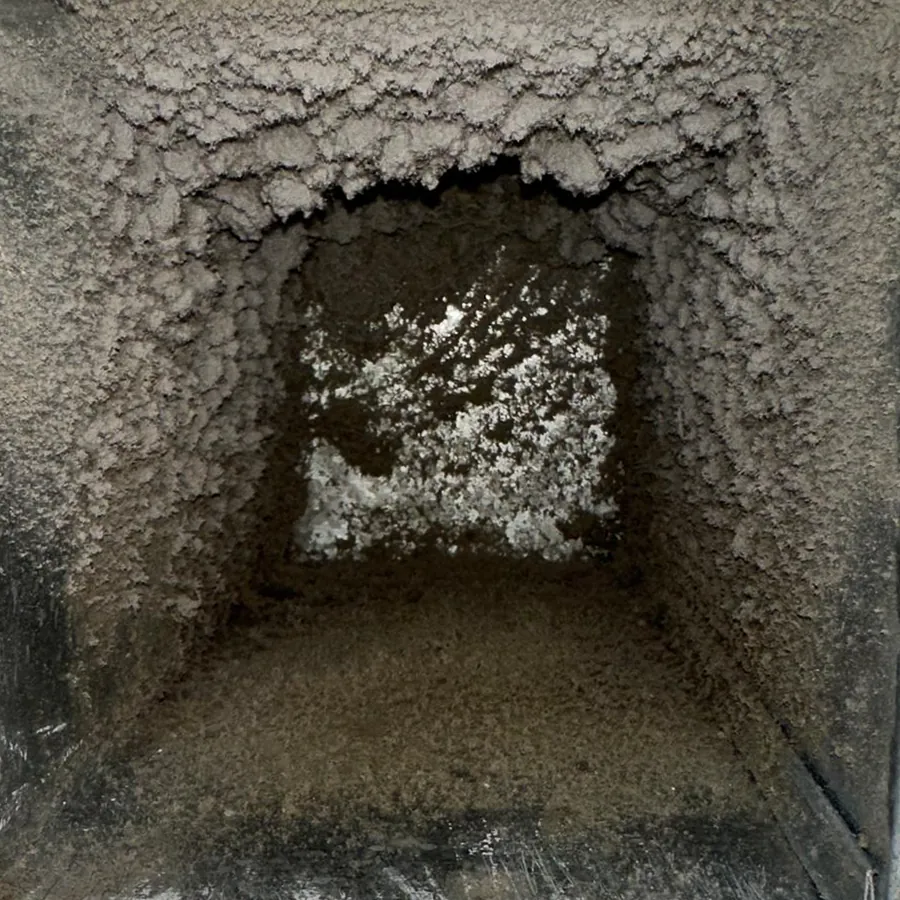
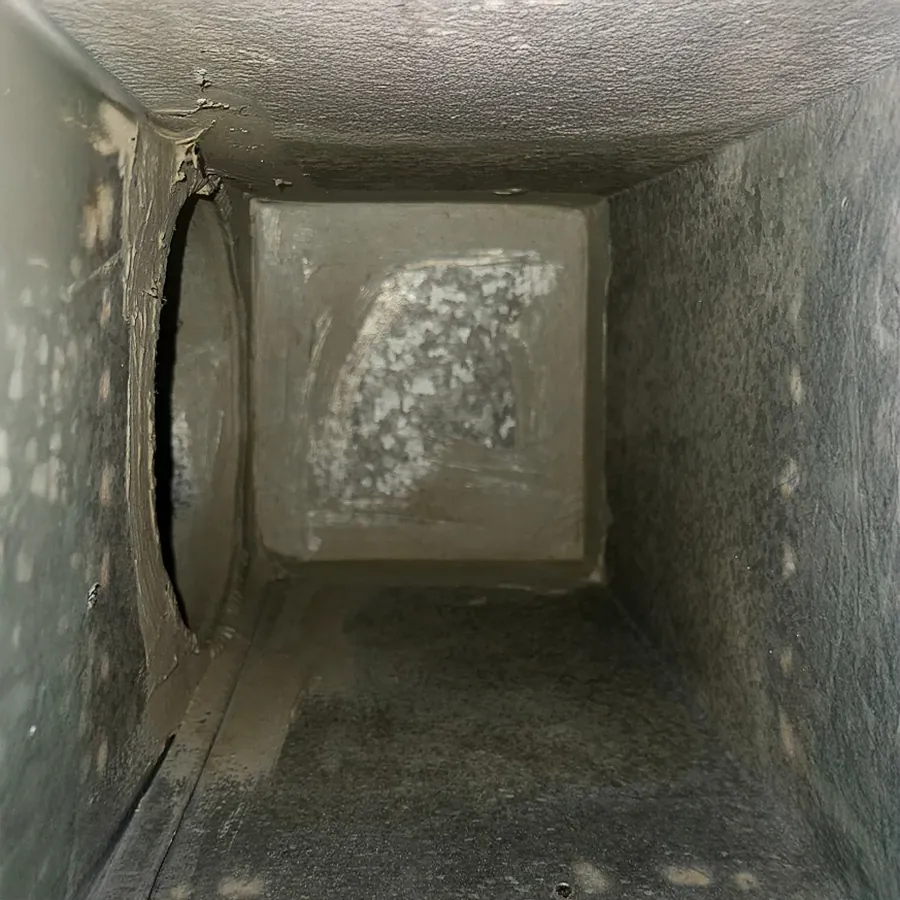
Over 3 to 5 years, dust, dander, fibres and whatever the air has carried in collects on every interior surface of the ductwork. A residential cleaning removes an average of 47 lbs of mold, dust, and debris per home. That material is spread through the supply runs, return trunks, blower compartment and coil surfaces, invisible until someone opens the system.
2. Restricted airflow and wasted energy
Buildup on the blower wheel, coils and duct walls forces the system to push harder to move the same volume of air. NADCA data shows a 10 to 46% improvement in supply airflow once systems are properly cleaned. Homeowners see a 26% drop in energy use after cleaning, which adds up to $1,020 saved between services on heating and cooling.
3. Musty or stale smells
A damp, stale smell when the furnace kicks on usually means organic matter has settled in the system over the summer. Dust mixed with moisture from BC’s coast creates the kind of odour you notice at every startup. Removing the organic material removes the smell at its source.
4. Mould on duct surfaces
If mould is growing on interior duct surfaces, source-removal cleaning takes the colony and its food source out of the system. Where mould is present, we follow the cleaning with Benefect Decon 30, a Health Canada approved, plant-based disinfectant used in hospital and clinic work. The cleaning addresses what has grown; the Benefect treats the surfaces it was growing on.
5. Circulating allergens and irritants
Pet dander, pollen and mould spores collect in ductwork and redistribute through every room each time the system runs. Cleaning breaks that cycle. NADCA notes that allergy and asthma sufferers tend to be more susceptible to the types of poor indoor air quality that duct cleaning can help address.
What duct cleaning does not fix
Cleaning removes what is inside the system. It does not repair the system itself.
Duct leaks
If your ducts have gaps at joints or seams, conditioned air escapes into the attic, crawlspace or wall cavities before it reaches your rooms. Cleaning those ducts removes the dust inside them but does not seal the leaks. Duct sealing is a separate job. Worth doing, but not part of a cleaning.
Undersized or poorly designed ductwork
A system with runs that are too narrow, too many bends, or not enough return air paths will underperform regardless of how clean the interior surfaces are. That is a design problem for an HVAC contractor.
Furnace mechanical problems
A blower motor on its way out, a cracked heat exchanger or a failing control board are mechanical issues. Cleaning the blower wheel removes the buildup that makes the motor work harder, but it cannot fix a motor that is already failing.
Pro tip: Pull a floor register and look inside with your phone flashlight. If you see matted dust past the first few inches, the rest of the system likely looks the same. That is a cleaning problem, and cleaning solves it.
The source of a moisture problem
Mould in your ducts often starts with a moisture source: a leaking pipe, poor drainage, or condensation on an uninsulated duct run in a cold attic. Cleaning and sanitizing treat the mould that has already grown, but if the moisture stays, the mould returns. Fix the water issue first, then clean and treat the ducts.
Heads-up: Skipping the moisture repair and cleaning repeatedly costs more over time than one plumbing or insulation fix followed by a single cleaning.

When cleaning is the right call
For most homes with a forced-air system, duct cleaning is worth doing on a regular cycle. NADCA’s guideline is every 3 to 5 years. Homes with shedding pets, allergy sufferers, smokers or recent renovations should lean toward the shorter end. Between cleanings, change your furnace filter every 3 months, which is NRCan’s recommendation for forced-air systems.
NADCA is clear: clean, efficient systems are less likely to break down, have a longer life span, and generally operate more effectively than dirty systems. If your system has not been cleaned in years and you notice dust at the registers, higher energy bills, or a smell when the furnace starts, the cleaning is overdue.
Get a free quote and we will walk you through what your home needs. We are NADCA certified with $5M liability insurance and 10+ years of experience across 500+ Metro Vancouver homes. Before we close the system, we invite you to view the final cleaning of the main trunk so you can see the result yourself.
For a deeper look at choosing the right company, read 7 checks before you hire a duct cleaner.
Where we do this work
Vancouver, North Vancouver, West Vancouver, Burnaby, Richmond, Surrey, Coquitlam, Port Coquitlam, Port Moody, New Westminster, Delta, Langley, White Rock, Maple Ridge, Pitt Meadows, Abbotsford. See all service areas.