| What you can clean yourself | Vent covers (registers and grilles) |
| What needs a pro | Ducts, trunk line, blower, coils |
| How often (full cleaning) | every 3 to 5 years |
| Air recirculation | 5 to 7 times per day through the system |
| Price | Free quote |
Key takeaways
- Washing your vent covers removes surface dust but leaves the ductwork behind them untouched, where most buildup sits.
- NADCA includes registers and grilles in a full system cleaning alongside ducts, coils, blower and drain pan.
- Your HVAC system recirculates air 5 to 7 times per day. Dust on the vent covers is a preview of what is deeper inside.
- If you see buildup past the first few inches behind a register, the system likely needs professional duct cleaning.
When people say “air vent cleaning,” they usually mean wiping down the metal or plastic covers on their walls, floors and ceilings. Those covers are called registers on supply ducts and grilles on returns. Cleaning them is a good habit and takes a few minutes per vent. But the cover is the opening to a larger system of ducts, trunk lines and a blower that runs behind your walls and under your floors, and indoor air quality depends on every part of that system. In coastal BC, where damp air feeds the furnace for half the year and wildfire smoke settles into the ductwork each summer, what collects on the vent cover is a fraction of what sits deeper in the system.
What cleaning your vents yourself actually does
Pull a register off the wall or floor, soak it in warm soapy water, wipe the grille slats and vacuum the first few inches of duct behind the opening. This removes the dust, pet hair and cooking residue that collect on the grille and the visible lip of the duct.
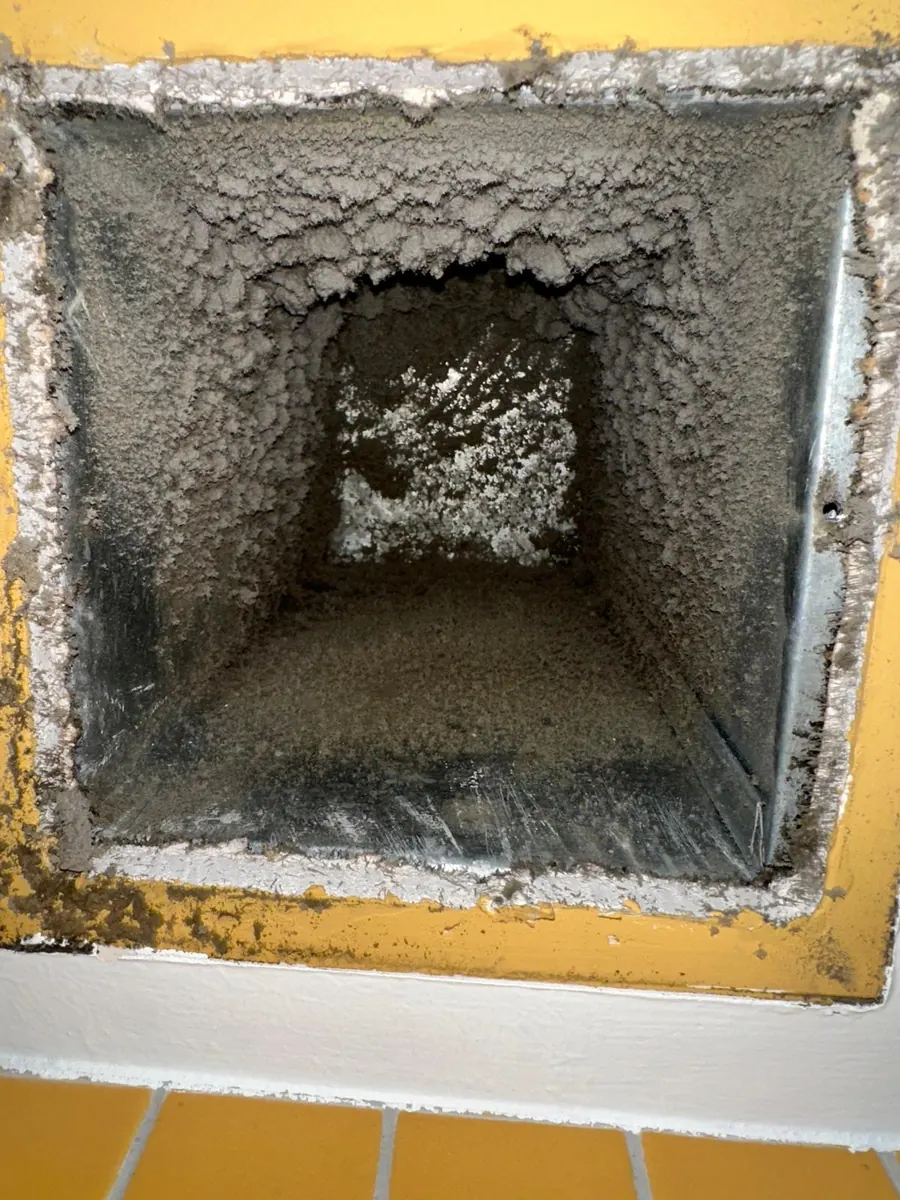
What it does not reach: the branching ductwork behind your walls, the main trunk line under your floor, the blower compartment, the area around the heat exchanger, or the return side of the system. Those components collect the same dust that shows up on your vent covers, but they sit behind drywall and subflooring, out of reach of a cloth or household vacuum.
NADCA recommends cleaning the entire system together: air ducts, coils, drain pan, registers, grilles, air plenum, blower motor and assembly, heat exchanger, air filter and air cleaner. Cleaning the vent covers alone addresses the smallest part of that list.
Pro tip: Pull a floor register and shine your phone flashlight into the duct. If you see matted dust or debris past the first few inches, the buildup runs through the whole system. Takes two minutes and costs nothing.
Signs the ducts behind your vents need cleaning
1. Dust comes back on the vent covers within days
You wipe down your registers and within a week they look the same. That dust is not falling from the room. It is blowing out from inside the ductwork each time the furnace runs. Your HVAC system recirculates indoor air 5 to 7 times per day, and every cycle moves what is inside the ducts back out through your vents.
2. Musty or stale smell from the registers
In Metro Vancouver, humidity stays high even when the furnace is off. Organic matter settles in the ducts over summer and develops a damp, stale smell you notice the first time the heat kicks on in the fall. If the smell is coming from the vents, it is coming from inside the system.
3. Allergy symptoms that ease when you leave the house
If sneezing and congestion improve outdoors and come back indoors, the HVAC system is circulating allergens through every register. Pet dander, dust mites and mould spores travel the duct network and re-enter your living space with every cycle.
4. It has been 3 to 5 years or more since the last cleaning
The common guideline is a full cleaning every 3 to 5 years for a typical home. Pets, smokers, renovations, and the damp BC coast all push that interval shorter. If your vents keep getting dusty faster than they used to, the ducts behind them are the reason.
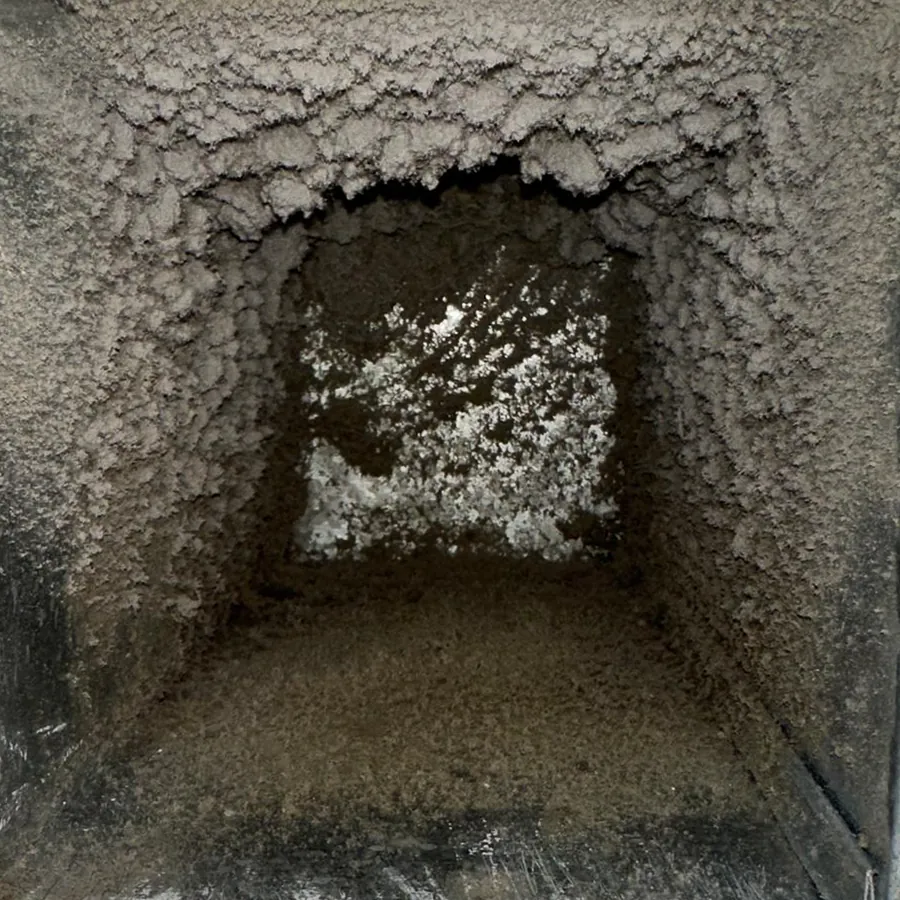
Heads-up: Cleaning just the vent covers while ignoring the ducts behind them means every furnace cycle pushes the same dust and allergens right back out through your freshly cleaned grilles.
What a professional duct cleaning covers
A NADCA-certified duct cleaning is source-removal work. HEPA-filtered negative-air vacuuming creates continuous negative pressure while compressed-air tools and brushes dislodge debris stuck to duct walls. The process covers every supply and return duct, the main trunk, the blower compartment, and all the registers and grilles.
Your vent covers are removed, cleaned and reinstalled as part of the job. Before closing the system, the technician does a final visual check, secures all access points and reviews the completed service with you. We invite you to view the final cleaning of the main trunk so you can see the result.
On average, a residential cleaning removes 47 lbs of mold, dust, and debris per home. That material is spread across every duct run and component, not just what is visible at the vent openings.
If mould is present, we follow the cleaning with Benefect Decon 30, a Health Canada approved, plant-based disinfectant used in hospital and clinic work.
Between full cleanings
Change your furnace filter every 3 months to keep airflow consistent and slow dust buildup in the ducts. Vacuum your registers when you vacuum the house. Keep return-air pathways clear of furniture. These steps extend the life of a cleaning but do not replace the full source-removal job that reaches what sits behind your walls.
Get a quote
Get a free quote. A few quick questions about your home, then we send your quote by text and email. AirCare Systems BC is NADCA certified, with $5M liability insurance and 100+ Google reviews at a 5.0 rating.
Where we do this work
AirCare Systems BC cleans residential ductwork across Metro Vancouver and the Fraser Valley: Vancouver, North Vancouver, West Vancouver, Burnaby, Richmond, Surrey, Coquitlam, Port Coquitlam, Port Moody, New Westminster, Delta, Langley, White Rock, Maple Ridge, Pitt Meadows and Abbotsford.