| How often | every 3 to 5 years (common guideline) |
| What comes out | 47 lbs of mold, dust, and debris per home |
| Energy impact | 26% drop in energy use after cleaning |
| Filter changes | every 3 months (NRCan) |
| Price | Free quote |
Key takeaways
- The common guideline is every 3 to 5 years, but pets, renovations and the damp BC coast often mean every three years is more realistic here.
- Your HVAC system recirculates indoor air 5 to 7 times per day, moving dust, dander and cooking residue through every register.
- A residential cleaning removes an average of 47 lbs of mold, dust, and debris per home and cuts energy use by 26%.
- The right schedule depends on your household: shedding pets, recent renovations and moisture all push the timeline earlier.
Air duct cleaning is source-removal cleaning of your entire forced-air system: every supply and return duct, every register, the blower compartment and the area around the heat exchanger. In Metro Vancouver, where the furnace runs at least half the year and rain keeps relative humidity high, dust and organic debris accumulate faster than in drier parts of the country. Add a summer of wildfire smoke, and fine particulate settles deep in the ductwork and stays there until somebody removes it.
How the 3 to 5 year guideline works
NADCA, the association that certifies duct cleaning companies, says how often you clean depends on your home. The guideline most duct cleaners work from is every 3 to 5 years for a typical home, and that range exists because every home is different.
On the shorter end (closer to three years), you have homes with:
- One or more shedding pets
- A household member with asthma or allergies
- Smokers
- A history of moisture problems or water damage
- Renovations or construction work in the past year
On the longer end (closer to five years), you have homes with no pets, no smokers, no known moisture concerns and a furnace filter that gets changed on schedule.
Most Metro Vancouver homes land on the shorter side of that range. The coast brings damp air into every system from October through April, and the wildfire smoke seasons of the past several years have deposited fine ash and soot that a standard furnace filter does not fully catch.
Signs your ducts are overdue
1. Dust at the registers
If your supply registers have visible dust or dark streaks on the surrounding wall or ceiling, the inside of the duct feeding that register is worse. Pull a floor register and look inside with your phone flashlight.
Pro tip: If you see matted dust or debris past the first few inches of a floor register, that buildup runs through the whole system. Takes two minutes and tells you more than any online quiz.
2. Musty smell at startup
A damp, stale smell when the furnace first kicks on in the fall usually means organic matter has settled in the system over the summer. In coastal BC, where humidity stays high even when the furnace is off, this is common and worth addressing before heating season.
3. Allergy symptoms that track with furnace use
If symptoms improve when you leave the house and return when you get home, the HVAC system is a reasonable suspect. Your system recirculates indoor air 5 to 7 times per day, and every pass moves dust, pet dander and mould spores through the ductwork and back out through your registers.
4. Recent renovation
Drywall dust, sawdust and construction debris are too fine and too heavy for a standard furnace filter to catch completely. Even with plastic sheeting over your registers during the work, fine particles find their way in. NADCA lists cleaning after home renovations or remodeling as a reason to clean more often.
5. You have never had it done
If you have owned your home for more than five years and the ducts have never been cleaned, there is likely a meaningful amount of buildup sitting in the system. The previous owners may not have cleaned them either.
Heads-up: Putting off cleaning when you notice mould means spores circulate into every room each time the furnace runs. What starts at one damp return can spread through the whole system.
What a cleaning actually removes
A NADCA-certified cleaning is source-removal work: HEPA-filtered negative-air vacuuming pulls debris out of the ducts while compressed air dislodges what is stuck to the duct walls. The crew cleans every register, the supply and return trunks, the blower compartment and the area around the heat exchanger.
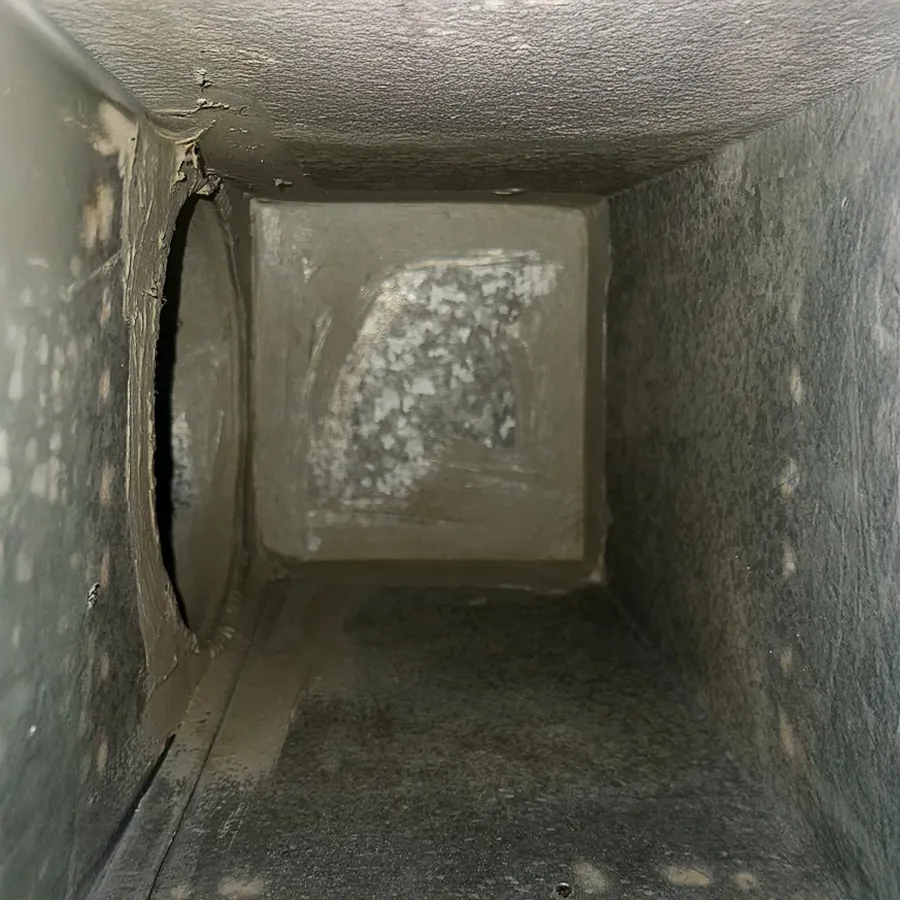
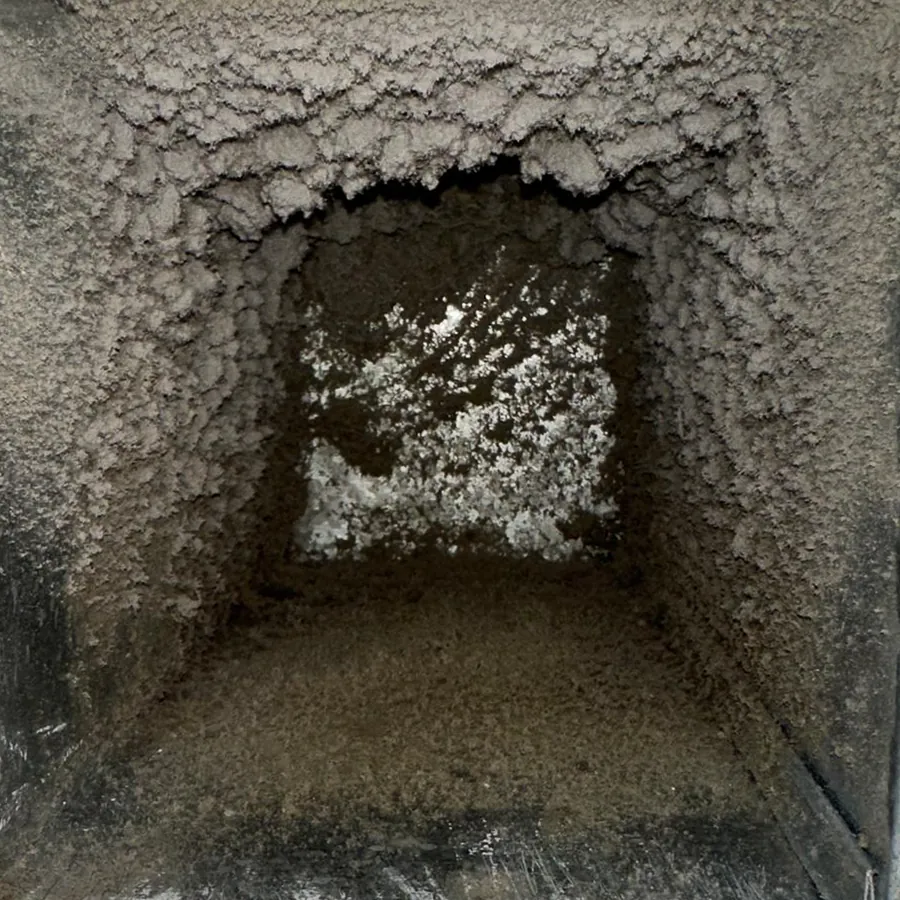
On average, a residential cleaning removes 47 lbs of mold, dust, and debris per home. That material is distributed across every branch and trunk in the system, invisible until the access panel is open. Before closing the system, the technician invites you to view the final cleaning of the main trunk so you can see the result yourself.
If mould is present, we follow the cleaning with Benefect Decon 30, a Health Canada approved, plant-based disinfectant used in hospital and clinic work. It treats the surfaces the mould was growing on.
The energy side
Buildup in your ductwork and on your blower components forces the system to work harder to move the same volume of air. After a professional cleaning, homeowners see a 26% drop in energy use on average. Over a three-year service interval, that adds up to $1,020 saved on heating and cooling.
Changing your filter every 3 months between cleanings keeps airflow consistent and extends the life of the cleaning. A clogged filter restricts airflow, raises static pressure and pushes the furnace harder than it needs to run.
What you can do between cleanings
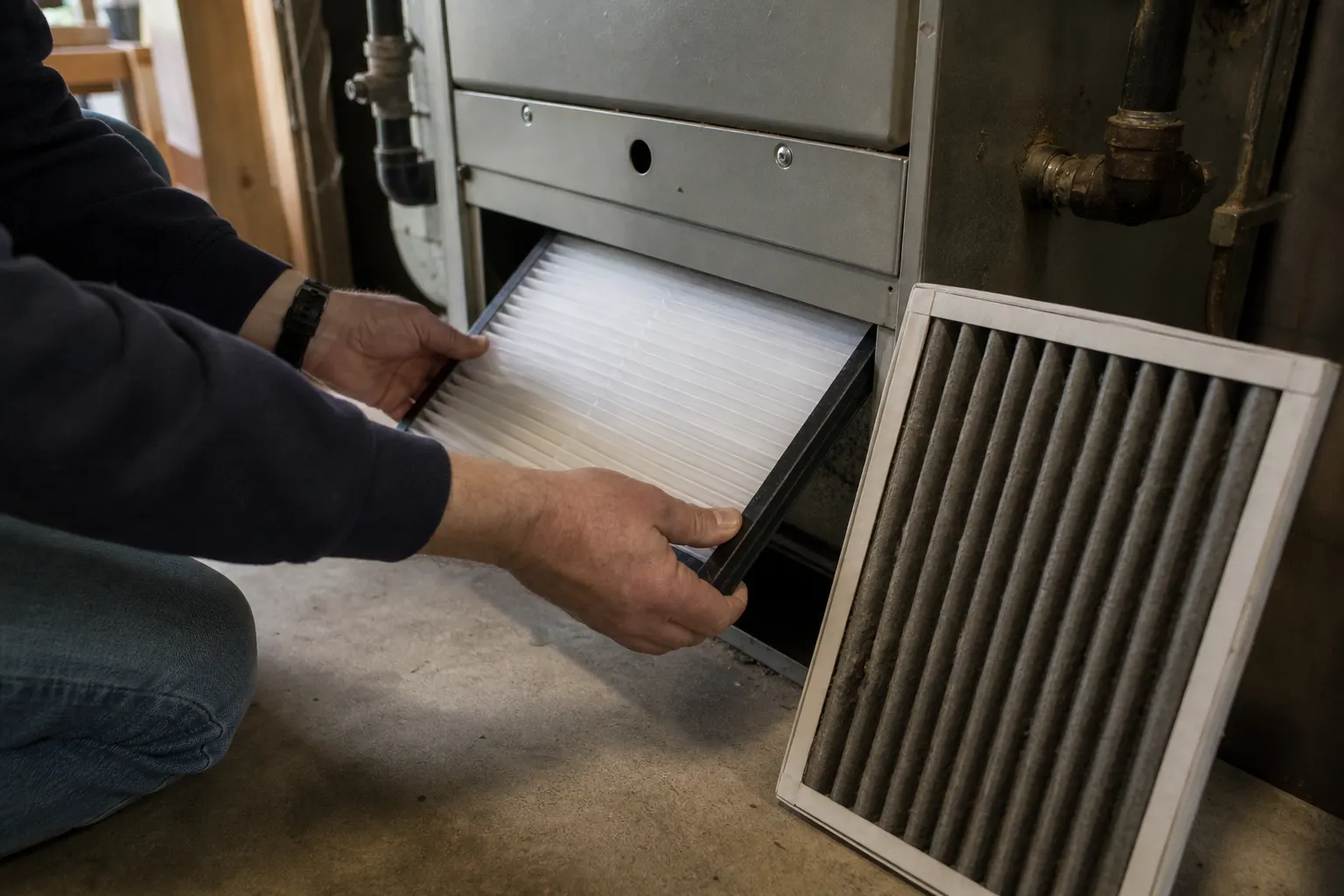
You do not need to wait for a professional visit to maintain your system. Between cleanings:
- Change or clean your furnace filter every 3 months, which is NRCan’s recommendation for forced-air systems.
- Vacuum your supply and return registers when you vacuum the house.
- Keep return-air pathways clear of furniture and storage.
- Run your bathroom exhaust fan during and after showers to pull moisture out before it reaches the ductwork.
These steps slow the buildup between professional cleanings but do not replace a full source-removal job. The ducts themselves sit behind walls and under floors, out of reach of a household vacuum.
When to book
If you are not sure whether your ducts are due, the simplest test is the floor register check: pull one up, look inside, and see what is there. If it has been three or more years, if you have pets, or if you have been through a renovation, it is likely time.
Get a free quote: a few quick questions, then we’ll send your quote by text and email. AirCare Systems BC is NADCA certified, with $5M liability insurance and 100+ Google reviews at a 5.0 rating.
Where we do this work
AirCare Systems BC cleans residential ductwork across Metro Vancouver and the Fraser Valley: Vancouver, North Vancouver, West Vancouver, Burnaby, Richmond, Surrey, Coquitlam, Port Coquitlam, Port Moody, New Westminster, Delta, Langley, White Rock, Maple Ridge, Pitt Meadows and Abbotsford.