| Time on site | 3 to 5 hours for most homes |
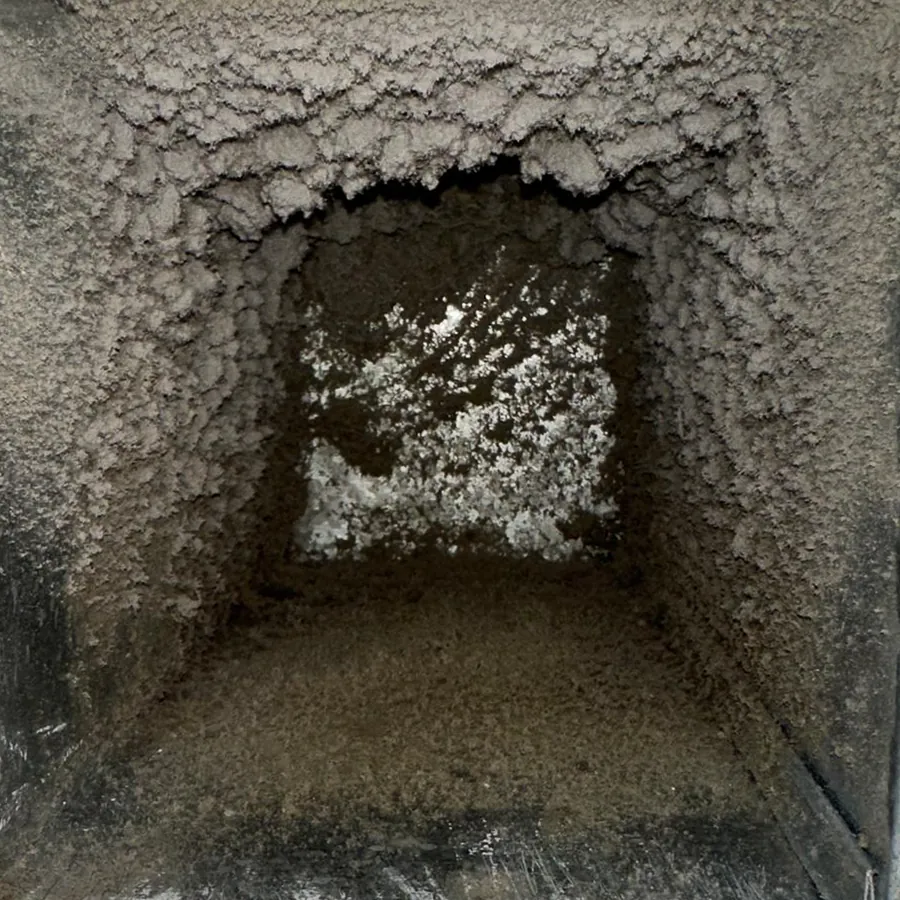
| What comes out | 47 lbs of mold, dust, and debris per home |
| Energy savings | 26% drop in energy use after cleaning |
| How to prepare | Clear registers, secure pets, leave the furnace accessible |
| Price | Free quote |
Key takeaways
- A residential duct cleaning runs 3 to 5 hours for a typical single-system home, according to Lennox. Bigger homes or heavy buildup push that number higher.
- Most of the time goes to the actual cleaning: connecting HEPA-filtered equipment, running compressed-air agitation through every duct run, and verifying each section before closing up.
- You can cut appointment time by clearing space around your registers and furnace beforehand so the crew is not working around furniture.
- An average cleaning pulls 47 lbs of mold, dust, and debris per home, and homeowners see a 26% drop in energy use afterward.
Your furnace recirculates indoor air 5 to 7 times per day. Every cycle pushes air through the full length of your ductwork, and whatever is sitting in those ducts (dust, pet hair, cooking residue, the odd dead spider) goes along for the ride. A source-removal cleaning takes all of that out in one visit. The question most people ask first is how long that visit actually takes, and the honest answer depends on your home.
What determines how long it takes
1. System size and layout
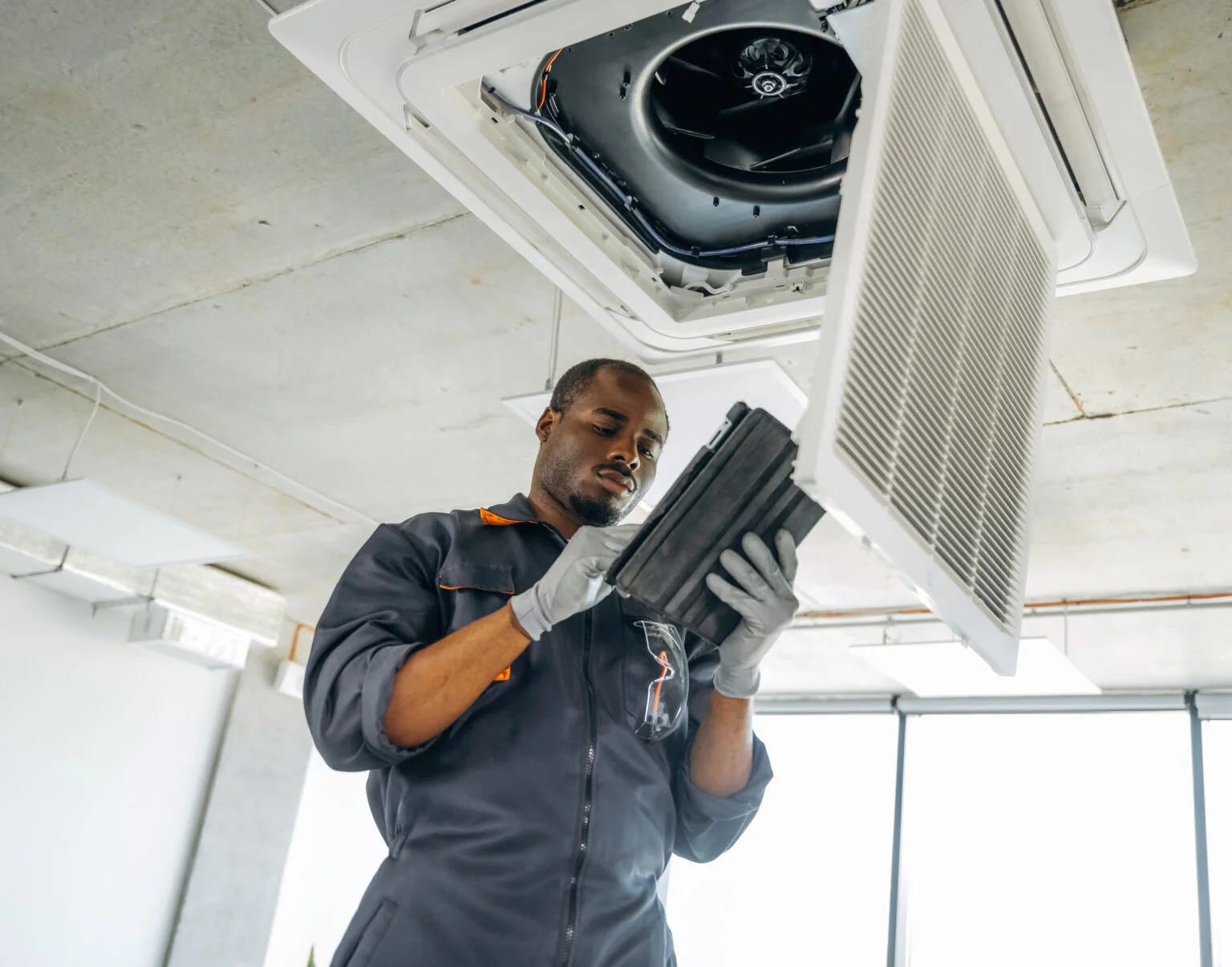
A single-furnace home with a straightforward duct layout is the fastest to clean. Add a second furnace, a finished basement with extra runs, or a home with three floors of ductwork, and the crew has more linear footage to cover. Each supply and return duct gets individual attention: compressed-air agitation to loosen debris, then HEPA-filtered negative-air vacuuming to pull it out.
2. How much buildup is in there
A system cleaned on a regular schedule (every 3 to 5 years, the interval most in the industry work from) will have lighter buildup than a system that has never been touched. Heavier accumulation means more passes with the agitation tools and more time on each duct run. Homes with shedding pets, recent renovations or a history of moisture tend to have more material in the ducts.
3. Accessibility
Registers behind heavy furniture, ductwork in tight crawl spaces, or a furnace wedged into a storage closet all slow the job down. The crew needs to reach every register and every access point on the main trunk. If something is blocked, they have to work around it or ask you to help move it.
4. Add-on services
A basic duct and furnace cleaning is the core job, but many homeowners add dryer vent cleaning, HRV cleaning, bathroom fan cleaning or sanitizing with Benefect Decon 30 (a Health Canada approved, plant-based disinfectant). Each add-on extends the visit. If mould is present, the sanitizing step follows the source-removal cleaning and treats every surface the mould was growing on.
What happens during those 3 to 5 hours
Here is a rough breakdown of where the time goes during a typical single-system residential cleaning:
Setup and walkthrough
The crew arrives, does a walkthrough of your home to locate every register and check the furnace area, then sets up the HEPA-filtered vacuum on the main trunk. This puts the entire HVAC system under continuous negative pressure, which means debris travels toward the vacuum rather than into your rooms.
Supply and return cleaning
Each supply and return duct is cleaned individually. The technician feeds compressed-air tools into the duct to dislodge dust and debris from the walls, and the negative-air vacuum pulls it all out through the trunk. This is the longest part of the job and scales directly with how many duct runs your home has.
Blower compartment and trunk
The blower compartment, the area around the heat exchanger and the inside of the main trunk all get cleaned. These components collect buildup that restricts airflow and forces the system to work harder.
Registers and closeup
Every register is removed, cleaned and reinstalled. Before closing the system, the technician does a final visual check and invites you to see the final cleaning of the main trunk so you can verify the result yourself.
Pro tip: Count your registers before the appointment and mention the total when you book. It gives the crew a head start on estimating time and equipment, and it helps you confirm every register was cleaned when they are done.
How to prepare your home
A little prep before the crew arrives keeps the appointment on schedule and protects your belongings.
Clear space around registers
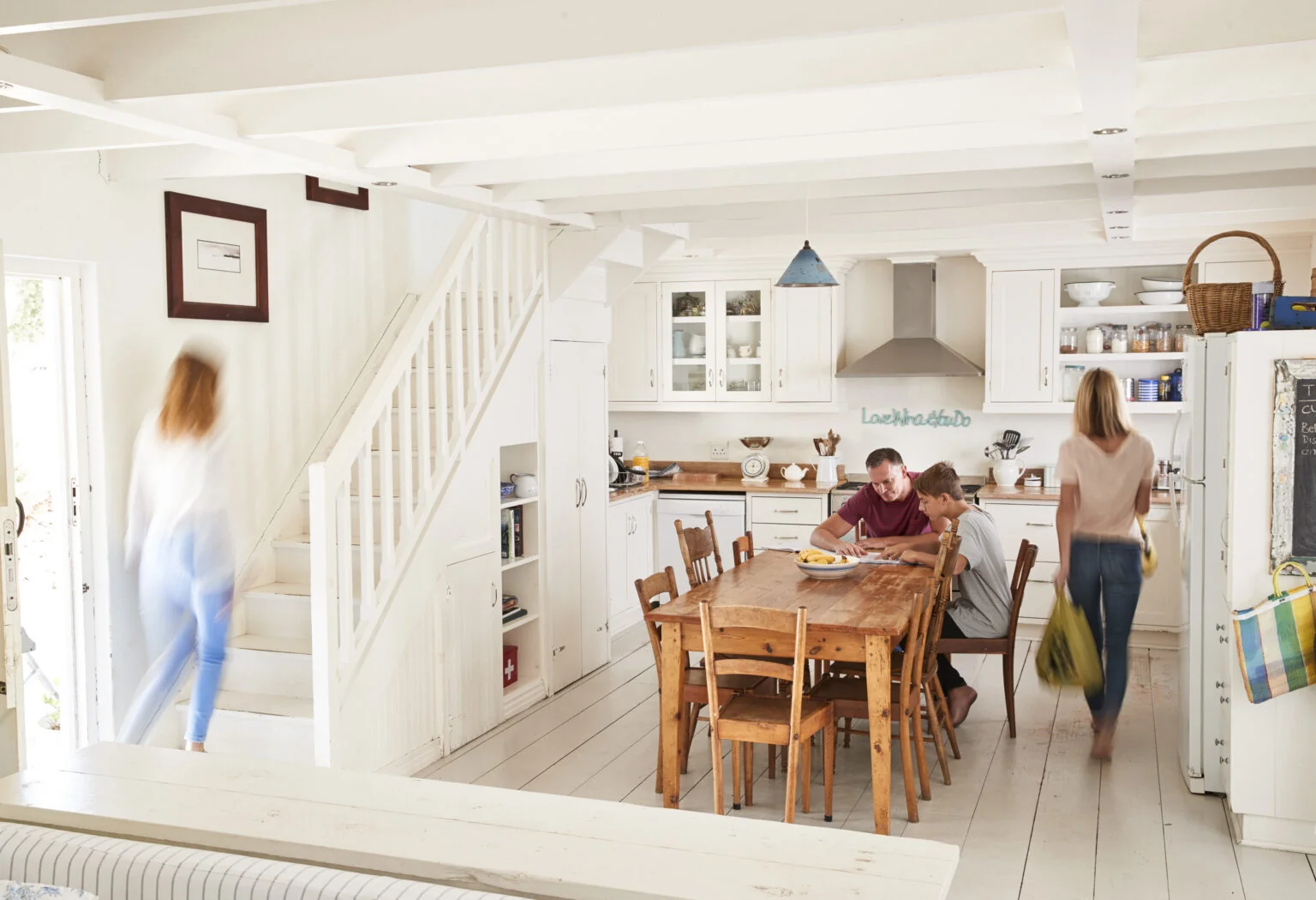
Move furniture, rugs and storage bins about a metre back from every floor and wall register. The technician needs to pull each register, feed tools into the duct behind it and reinstall it. If a heavy bookshelf is sitting on top of a floor register, that is time the crew spends moving your things instead of cleaning your ducts.
Make the furnace accessible
Clear boxes, storage and laundry away from the furnace so the crew can reach the blower compartment and the filter slot without obstacles. If the furnace is behind a closed door, make sure it is unlocked.
Secure pets
Pets need to be in a closed room, a crate or outside for the duration. Open register holes in the floor are a hazard for small animals, and the noise from the vacuum equipment tends to stress dogs and cats. Keeping them out of the way is safer for the pets and faster for the crew.
Note any problem areas
If a particular register smells musty, if one room gets less airflow than the rest, or if you have seen dust blowing from a vent, mention it when the crew arrives. They can pay extra attention to those runs and check for issues like disconnected duct joints or moisture damage.
Heads-up: Skipping the register prep is a common reason a job runs over its estimated time. Registers buried behind furniture mean the crew either works around obstacles or waits while you move things.
Plan for the noise
The HEPA vacuum runs for most of the appointment. It is roughly as loud as a shop vacuum. If you work from home, plan calls and meetings outside the cleaning window. The crew can tell you when they are starting and roughly when they expect to finish.
After the cleaning
Once every register is back in place and the system is sealed, the crew reviews the completed work with you. Replace your furnace filter with a fresh one (if you have one on hand, the technician can swap it in). Then keep up with filter changes every 3 months, which is NRCan’s recommendation for forced-air systems.
Over a three-year service interval, homeowners see $1,020 saved on heating and cooling from the 26% drop in energy use after cleaning. That math gets better if your system was heavily loaded before the job.
Ready to book
Get a free quote and we will send it by text and email. Mention how many registers you have and whether you want add-on services so we can estimate time upfront. AirCare Systems BC is NADCA certified, with $5M liability insurance and 100+ Google reviews at a 5.0 rating.
Where we do this work
AirCare Systems BC cleans residential ductwork across Metro Vancouver and the Fraser Valley: Vancouver, North Vancouver, West Vancouver, Burnaby, Richmond, Surrey, Coquitlam, Port Coquitlam, Port Moody, New Westminster, Delta, Langley, White Rock, Maple Ridge, Pitt Meadows and Abbotsford.