| How often (inspection) | each year (Canadian Lung Association) |
| Full system cleaning | every 4 to 5 years (NADCA) |
| Filter changes | every 1 to 3 months |
| DIY-able? | Partly: filters and registers yes, internals no |
| Price | Free quote |
Key takeaways
- Changing or cleaning your furnace filter every 1 to 3 months is the single most useful thing you can do yourself.
- The blower motor, heat exchanger, burners, and flame sensor sit inside the furnace cabinet. These parts need professional tools and training to clean safely.
- The Canadian Lung Association recommends a qualified contractor inspect your heating system each year. NADCA recommends a complete system cleaning (furnace and ductwork together) every 4 to 5 years.
- A full cleaning pulls an average of 47 lbs of mold, dust, and debris from a home’s HVAC system.
Your furnace shares air with every room in the house. Air passes through the return ductwork, over the blower and heat exchanger, then gets pushed back out through the supply vents. Over months, dust, pet hair, cooking residue, and whatever else floats around your home settles on those components. That buildup affects indoor air quality and makes the system work harder. Some of that maintenance you can handle yourself. The rest needs someone with the right equipment.
What you can safely do yourself
1. Change or clean the furnace filter
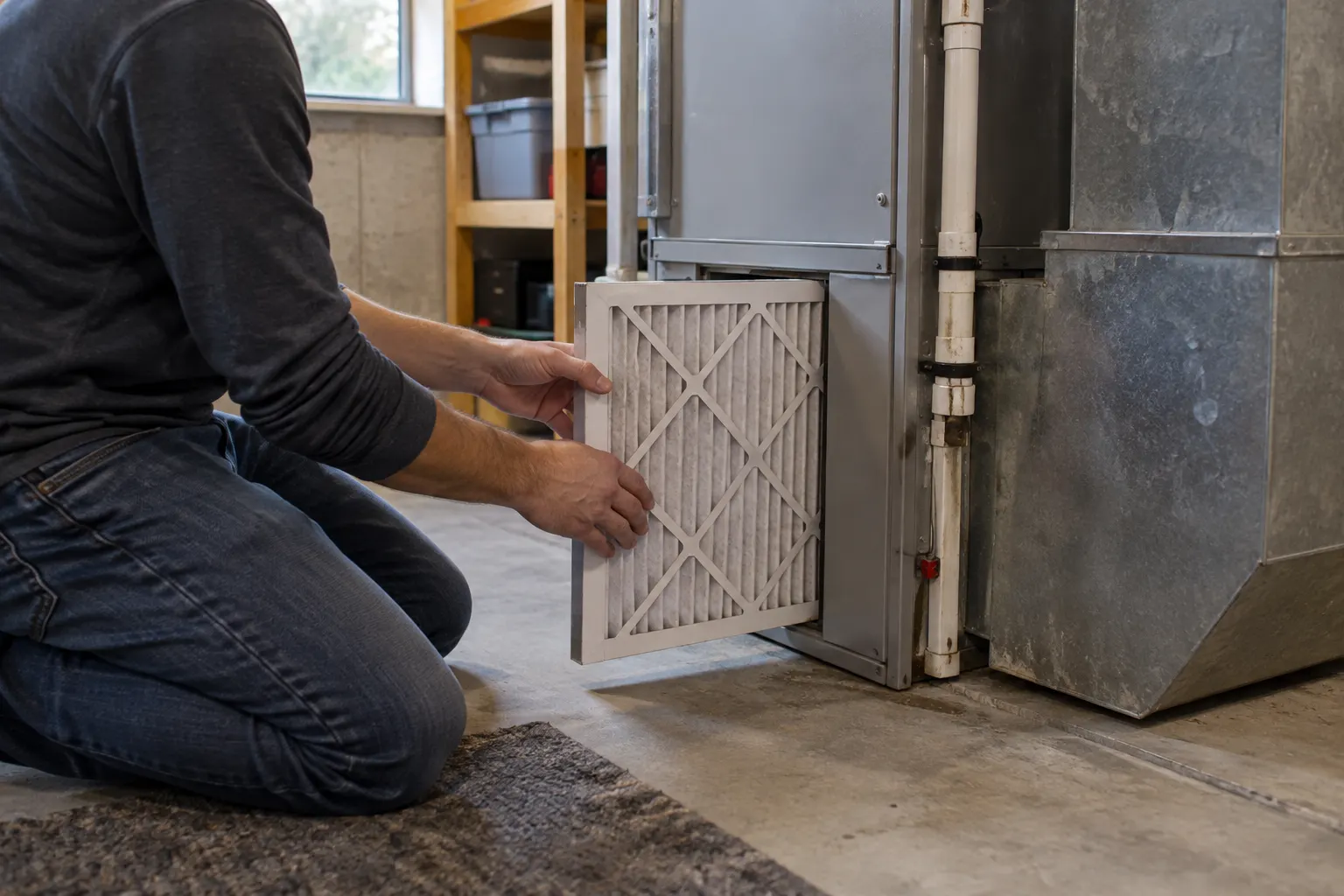
This is the big one. The Canadian Lung Association says some filters need replacing every 1 to 3 months, depending on the type and how much dust your home generates. Homes with pets or smokers load filters faster. NRCan’s Keeping the Heat In guide gives similar advice for Canadian homeowners.
Pull the filter out and hold it up to a light. If you can barely see through it, swap it. Most residential filters slide in and out of a slot near the return duct or at the base of the furnace. Match the size printed on the frame when you buy a replacement.
Pro tip: Write the date on the edge of a new filter with a marker when you install it. Three months later you will know exactly when it went in, instead of guessing.
2. Vacuum around the furnace base
Dust, lint, and debris collect around the base of the furnace and near the filter slot. A quick pass with a household vacuum keeps that material from getting pulled into the system the next time the blower kicks on. Do this whenever you swap the filter.
3. Clear and wipe your supply and return registers
Pop the covers off your floor or wall registers, wash them in the sink with warm water, and vacuum the first few inches of visible duct behind them. That surface-level dust is easy to reach and worth removing. The deeper ductwork past that point is where professional equipment takes over.
What needs a professional
The components inside the furnace cabinet and the ductwork connected to it are where the real buildup happens. NADCA’s cleaning standard covers the system from the return duct through the air handler (blower, coil, and heat exchanger) to the supply side. Here is what sits inside and why it matters.
Blower motor and assembly
The blower pulls air through the return duct and pushes it across the heat exchanger. Dust cakes onto the blower blades over time, which forces the motor to work harder. Cleaning it means removing the blower assembly from the cabinet and clearing each blade individually. This is not a job for a household vacuum.
Heat exchanger
The heat exchanger is where the furnace actually heats the air. Dust buildup on its surface insulates it, which means the furnace runs longer to reach temperature. A cracked or corroded heat exchanger can leak combustion gases into your living space, so this component needs a trained eye along with proper cleaning.
Burners and flame sensor
A dirty flame sensor causes the furnace to short-cycle: it fires, the sensor fails to detect the flame, and the system shuts down within seconds. Cleaning a flame sensor takes a few minutes for a technician with the right tool. Doing it yourself risks damaging the sensor or misaligning the burner assembly.
The ductwork itself
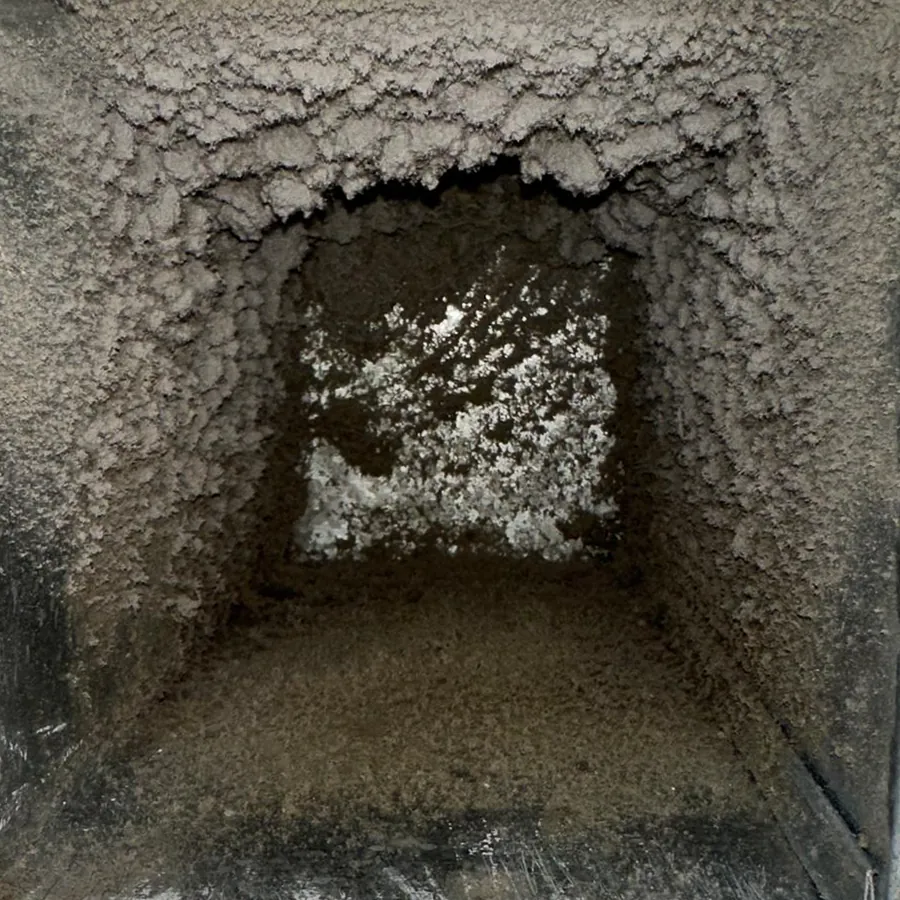
The ducts carry air to every room and back. Air recirculates through your home’s system 5 to 7 times per day on average, picking up and redistributing whatever has settled on the blower, heat exchanger, and duct walls. A proper duct cleaning uses source removal: the system goes under negative pressure with a HEPA vacuum, and agitation tools dislodge debris from the duct walls so it gets pulled toward the vacuum and contained.
Cleaning the furnace without cleaning the ducts (or the other way around) leaves half the system untouched. Debris in the ducts recontaminates the furnace components within a few heating cycles. A NADCA-certified crew handles both in a single visit.
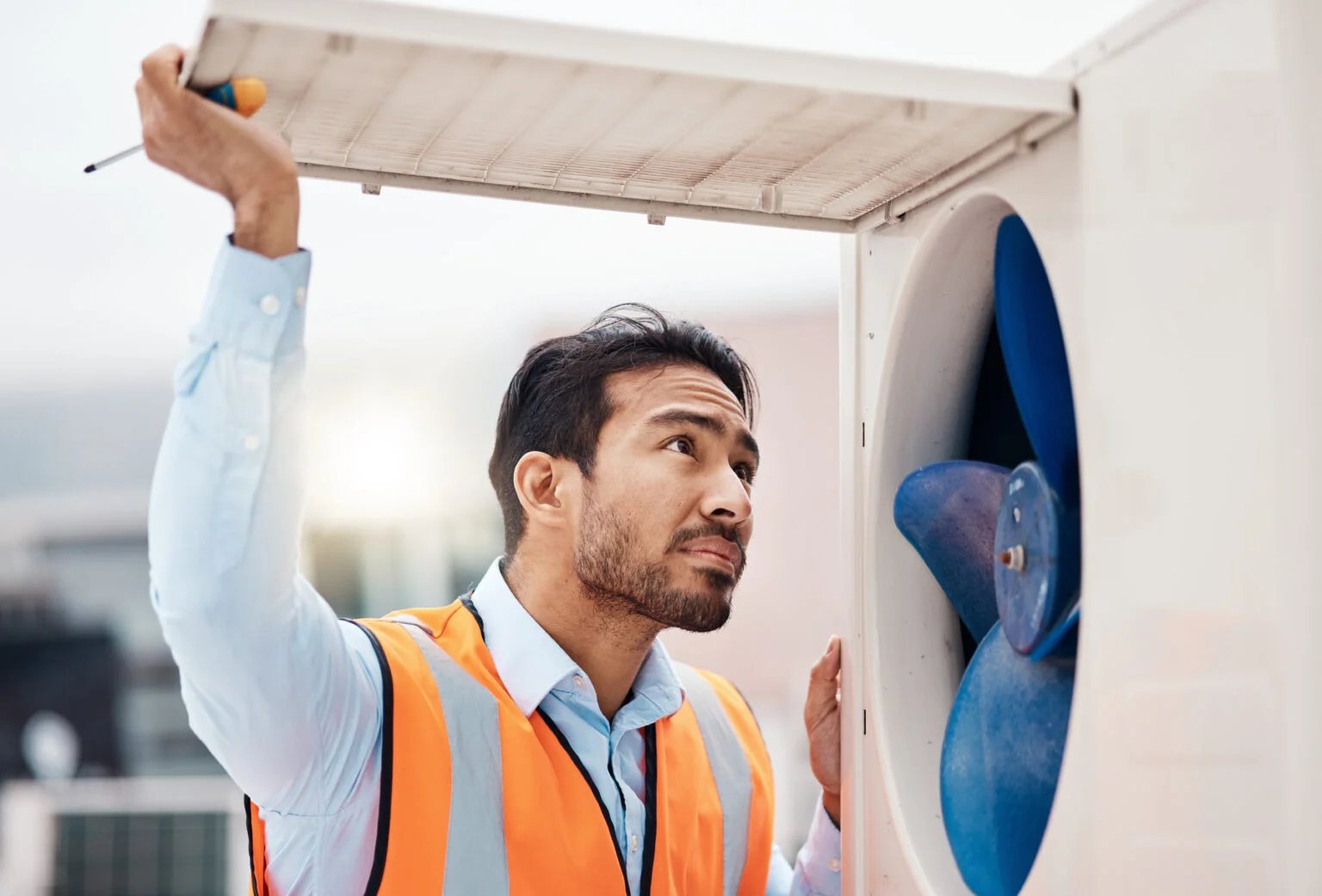
Heads-up: Never attempt to clean the inside of a gas furnace with the power on or the gas supply connected. If you are not sure how to shut either off, leave the cabinet closed and call a technician.
How often does a furnace need cleaning
The Canadian Lung Association recommends having your heating system inspected by a qualified contractor each year. NADCA agrees: their guidance calls for yearly inspections, with a complete system cleaning every 4 to 5 years. If you have pets, have done renovations recently, or someone in the home has allergies or asthma, you may need it sooner.
A yearly inspection catches problems early (a cracked heat exchanger, a failing flame sensor). The deeper full-system clean is a separate service on a longer cycle, and it covers the ductwork along with the furnace.
A full cleaning pulls an average of 47 lbs of mold, dust, and debris from a home’s HVAC system and has been associated with a 26% drop in energy use. Homeowners save an average of $1,020 between services on heating and cooling costs.
Get a free quote
If it has been a while since your last furnace and duct cleaning, or you have never had one done, a free quote is the next step. We clean the furnace and connected ductwork together in one visit so the whole system starts fresh. AirCare Systems BC is NADCA certified with $5M liability insurance and 10+ years of experience across Metro Vancouver.
Read more about what a full furnace cleaning includes.
Where we do this work
Vancouver, North Vancouver, West Vancouver, Burnaby, Richmond, Surrey, Coquitlam, Port Coquitlam, Port Moody, New Westminster, Delta, Langley, White Rock, Maple Ridge, Pitt Meadows, Abbotsford.