| Why still dusty? | Ducts recirculate air 5 to 7 times per day, spreading trapped dust |
| How often to clean | Every 3 to 5 years (NADCA), sooner with pets or allergies |
| Time on site | 3 to 5 hours for most homes |
| DIY-able? | Vent covers yes, trunk lines no |
| Price | Free quote |
Key takeaways
- If dust returns within a day of cleaning, your ductwork is the likely culprit. The HVAC system recirculates indoor air 5 to 7 times per day, and every cycle pushes accumulated dust back into your rooms.
- Visible dust around supply vents, dark streaks on return grilles, and a filter that loads up fast are the clearest signs.
- Professional duct cleaning removes the buildup from the full system, including trunk lines, branches, the furnace blower, and components a household vacuum cannot reach.
Your furnace and ducts form a loop. Air gets pulled in through return vents, heated or cooled, and pushed back out through supply vents. NADCA notes that this cycle repeats 5 to 7 times per day in most homes. Over the years, dust, pet dander, skin cells, dust mites, and fibres collect on the interior walls of that ductwork. The damp coastal climate in Metro Vancouver adds moisture to the mix, which helps dust stick and accumulate faster.
The result: you dust your shelves, vacuum the floors, and within a day or two everything has a fine film on it again. The surfaces are clean, but the air carrying dust keeps coming.
Signs your ducts are the dust source
1. Dust gathers near vents first
If the heaviest dust appears on surfaces closest to your supply registers, the airflow is depositing particles directly. Check the wall or ceiling around each vent. Dark marks or dust lines radiating outward point to buildup inside the ductwork.
2. Dust returns fast after cleaning
You spend a morning wiping down the house, and by the next day it looks the same. When ducts are clean, dust accumulates at a normal, slower pace. When they are loaded, every furnace cycle sends more into your living space.
3. Your filter loads up quickly
A furnace filter that looks grey or clogged well before its expected replacement date is catching more particulate than normal. The Canadian Lung Association notes that dust is a combination of both biological and chemical substances that can make breathing difficult for people with allergies and asthma. A filter working overtime is a signal that the duct system behind it needs attention.
4. More dust when the system runs
Pay attention to whether dust gets worse during heating season or whenever the fan runs continuously. If the system is off for a stretch and dust slows down, then picks up again when you turn the heat on, the connection is straightforward.

What collects inside your ducts
Think of everything that floats through your home on a given day: cooking particles, fabric fibres, pet dander, pollen tracked in from outside, skin cells, dust mites, and plain old dirt. Your return vents pull all of it into the duct system. Some gets caught by the furnace filter, but finer particles pass through and settle on the interior duct walls.
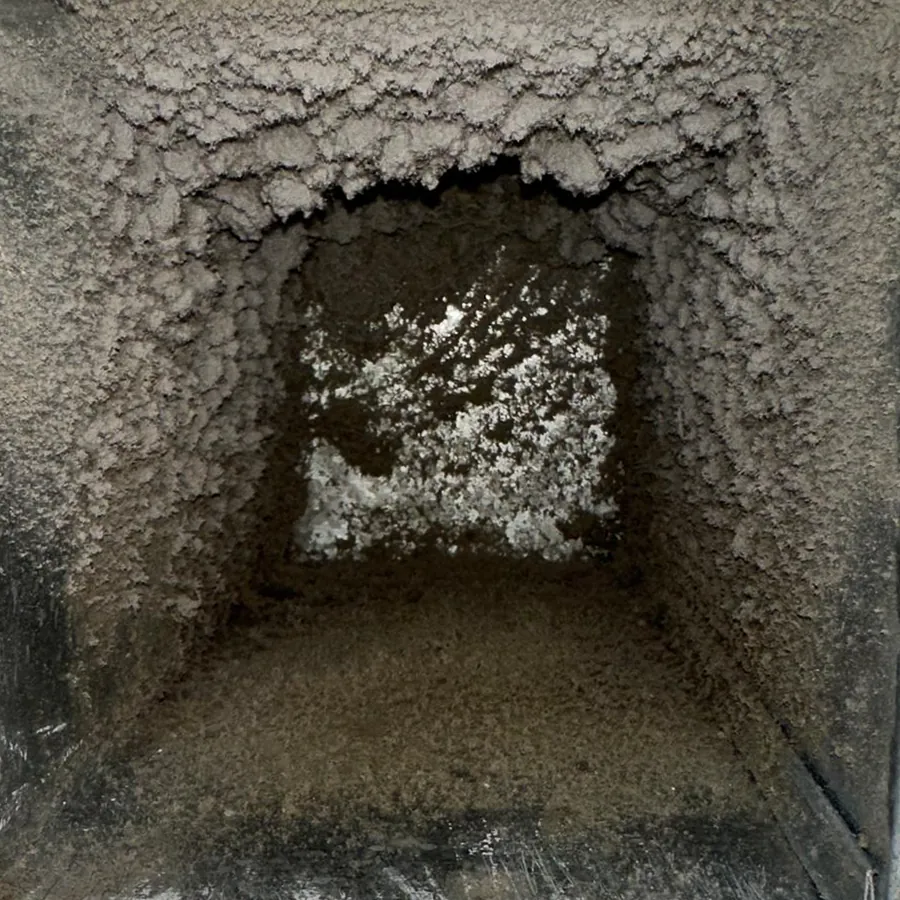
Over the years, this layer builds up. The average home has 47 lbs of mold, dust, and debris removed from the duct system when it is professionally cleaned. In BC, damp conditions and the occasional wildfire smoke season add to the load.
The EPA notes that HVAC components can become contaminated with particles of dust, pollen or other debris when not properly maintained. Once the buildup is heavy enough, particles are actually released into the home from your supply registers with every cycle.
Pro tip: Pull a supply vent cover off the wall and look inside with a flashlight. If you see a visible layer of dust coating the metal, that same material runs through the rest of your duct system. It is a quick, free check before you call anyone.
Why some homes are worse than others
A few factors speed up duct contamination in Metro Vancouver:
Pets. A dog or cat shedding in the house means hair and dander constantly entering the return vents. Homes with multiple pets accumulate duct buildup noticeably faster.
Renovations. Drywall dust, sawdust, and construction debris are extremely fine. Even with tarps and containment, renovation dust finds its way into the HVAC system. This is one of the top reasons NADCA lists for cleaning sooner than the standard interval.
Older homes. Homes that have gone a decade or more without duct cleaning tend to have significant buildup. If you have never had the ducts cleaned, or you moved in and do not know the history, that alone is a good reason to check.
Damp coastal air. Vancouver’s humidity means dust inside the ducts can absorb moisture, clump together, and stick to surfaces. This makes it harder for normal airflow to self-clean, and it can create conditions where mould starts to grow. Allergy and asthma sufferers tend to be more susceptible to the indoor air quality problems that follow.
What professional duct cleaning does
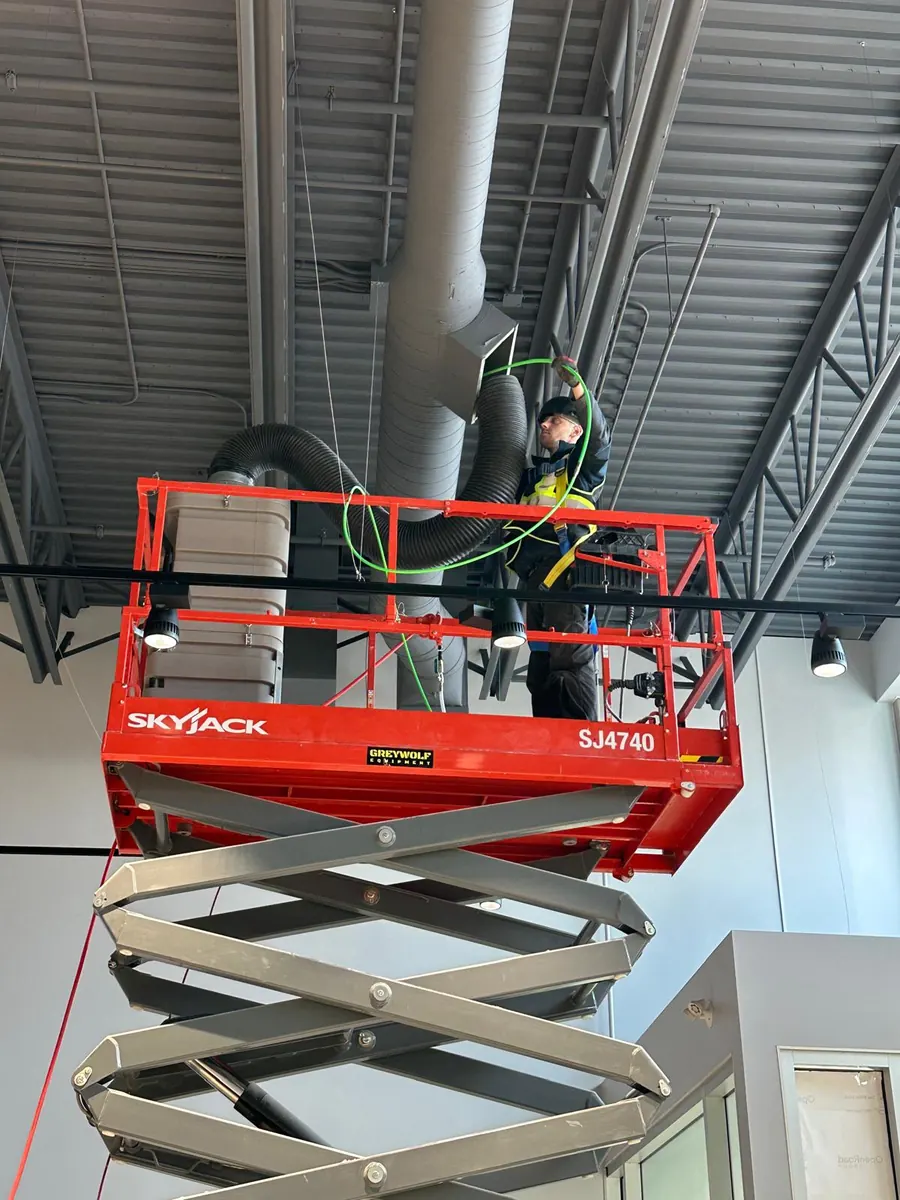
A NADCA-certified crew connects HEPA-filtered negative-air equipment to your duct system, placing the entire network under negative pressure. Then, using compressed air and mechanical agitation, every supply run, return run, trunk line, and branch gets cleaned. The furnace cabinet, blower, and heat exchanger area are cleaned as well. The process takes 3 to 5 hours for most homes.
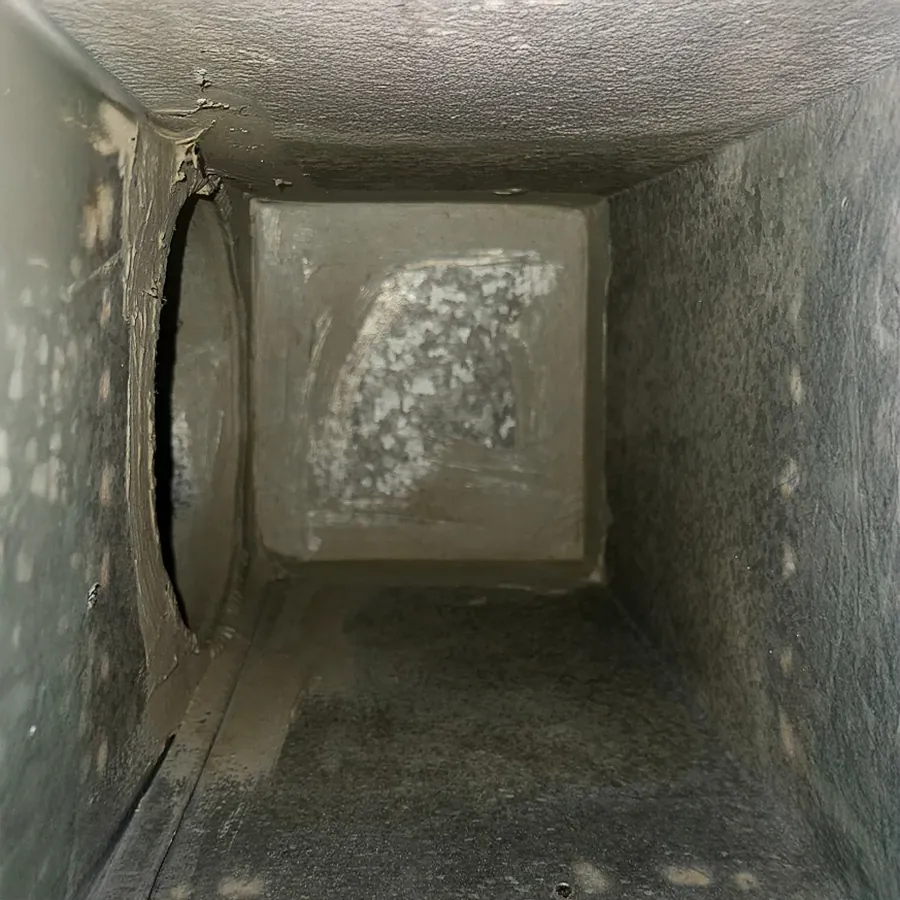
Before closing the system, we invite you to see the final cleaning of the main trunk so you can judge the difference yourself.
After cleaning, your system circulates cleaner air. The reduction in buildup also means better airflow and less strain on the blower. The homes we clean show a 26% drop in energy use after duct cleaning on average.
Heads-up: Be cautious of whole-home duct cleaning offers that quote a flat rate sight unseen. A proper job requires time, HEPA-rated equipment, and access to every supply and return run. If the quoted time on site is under two hours, the trunk lines and furnace likely are not getting cleaned.
When to book
NADCA recommends duct cleaning every 3 to 5 years for most homes. You may want to move sooner if your vents show visible buildup, if you have pets or allergy sufferers in the household, or if you have done renovations recently. Our guide on how often to clean air ducts in Metro Vancouver goes deeper on timing.
If your house stays dusty no matter how often you clean, your ducts are the next thing to check. Get a free quote and we will walk through what your home needs.
Where we do this work
We clean residential ductwork across Vancouver, North Vancouver, West Vancouver, Burnaby, Richmond, Surrey, Coquitlam, Port Coquitlam, Port Moody, New Westminster, Delta, Langley, White Rock, Maple Ridge, Pitt Meadows, and Abbotsford. Learn more about our residential duct cleaning services or what NADCA certification means when choosing a company.