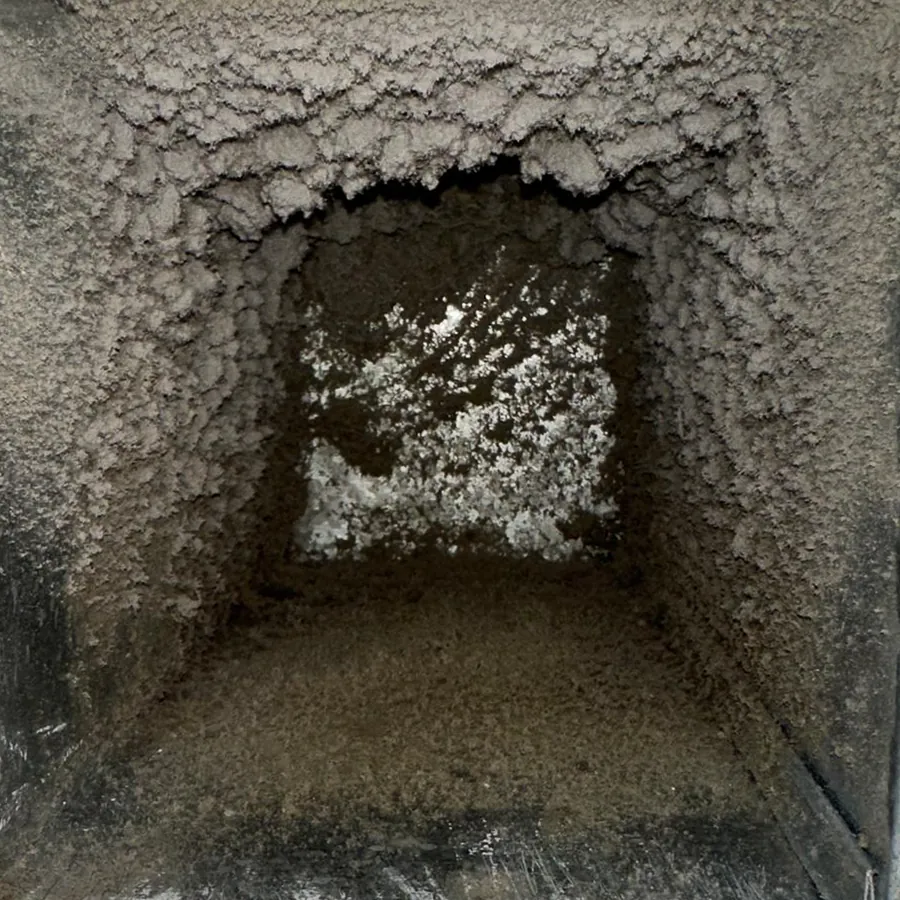
| Fire risk | lint is highly flammable and dryer vents trap heat |
| How often to clean | at least once a year |
| DIY-able? | The lint trap, yes; the full vent run needs a pro |
| Safe to wait? | Lint builds up with every load |
| Most overlooked sign | clothes need more than one cycle to dry |
| Price | Free quote |
Key takeaways
- Lint is flammable, and a blocked dryer vent traps heat right next to it. NFPA guidance specifically addresses dryer vent maintenance for fire risk reduction.
- If clothes take more than one cycle to dry, the vent is likely restricted. That same restriction traps heat next to all that lint.
- The lint trap only catches part of it. Fine particles pass through and collect in the exhaust duct between your dryer and the outside wall.
- AirCare cleans the full vent run with compressed air and HEPA-filtered vacuuming. Get a free quote.
Your dryer pushes hot, humid air through an exhaust duct to the outside of your house. Along the way, lint that slips past the lint trap sticks to the duct walls, collects at bends, and builds up around the vent termination. In Metro Vancouver’s damp coastal climate, moisture in that exhaust air makes lint clump and harden faster than it would in a drier region. Over months of regular use, the buildup narrows the duct and restricts airflow. Your dryer runs hotter, takes longer to finish a load, and the fire risk climbs.
Dryer vent cleaning removes that buildup from the full length of the dryer exhaust duct. It is one of the simpler maintenance jobs for a home, and one of the most overlooked.
Signs your dryer vent is clogged
1. Clothes take more than one cycle to dry
This is usually the first thing people notice. When the vent is restricted, humid air cannot escape the drum, so clothes stay damp at the end of a normal cycle. You run a second cycle, the dryer works harder, and your energy bill goes up.
2. The dryer or laundry room gets unusually hot
A working vent carries heat outside. A blocked one traps it. If the top of your dryer feels too hot to rest your hand on, or the laundry room is noticeably warmer than the rest of the house during a cycle, the exhaust has somewhere it cannot go.
3. You smell something burning or musty
A burning smell during a cycle can mean lint near the heating element or inside the vent is getting too hot. A damp, musty smell can mean moisture is backing up instead of venting outside. Neither one should be ignored.
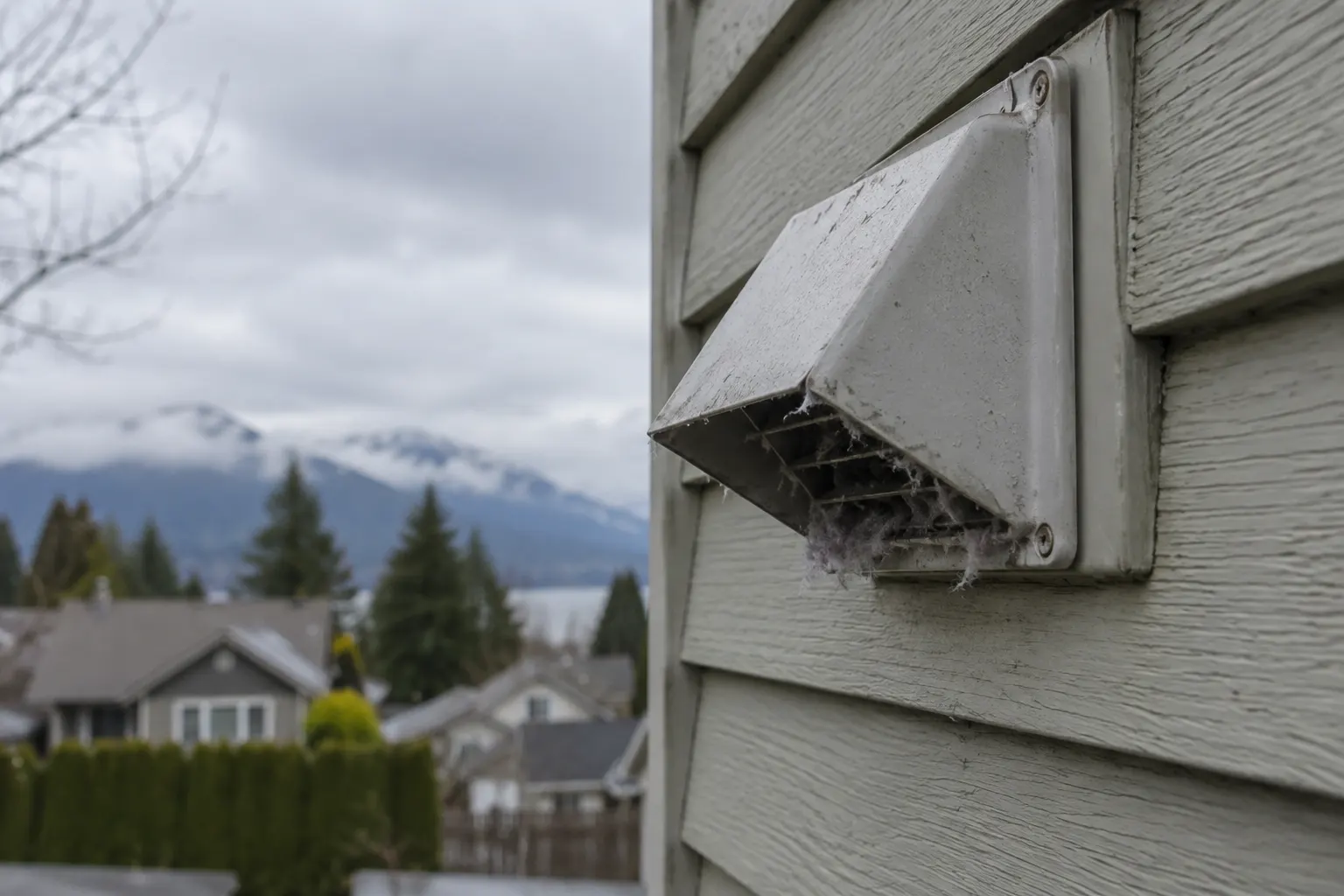
4. Lint or debris around the outside vent opening
Walk outside and check the vent hood where the dryer exhausts. If you see lint collecting around the opening, or if the flap does not swing open freely when the dryer runs, airflow is restricted somewhere in the run.
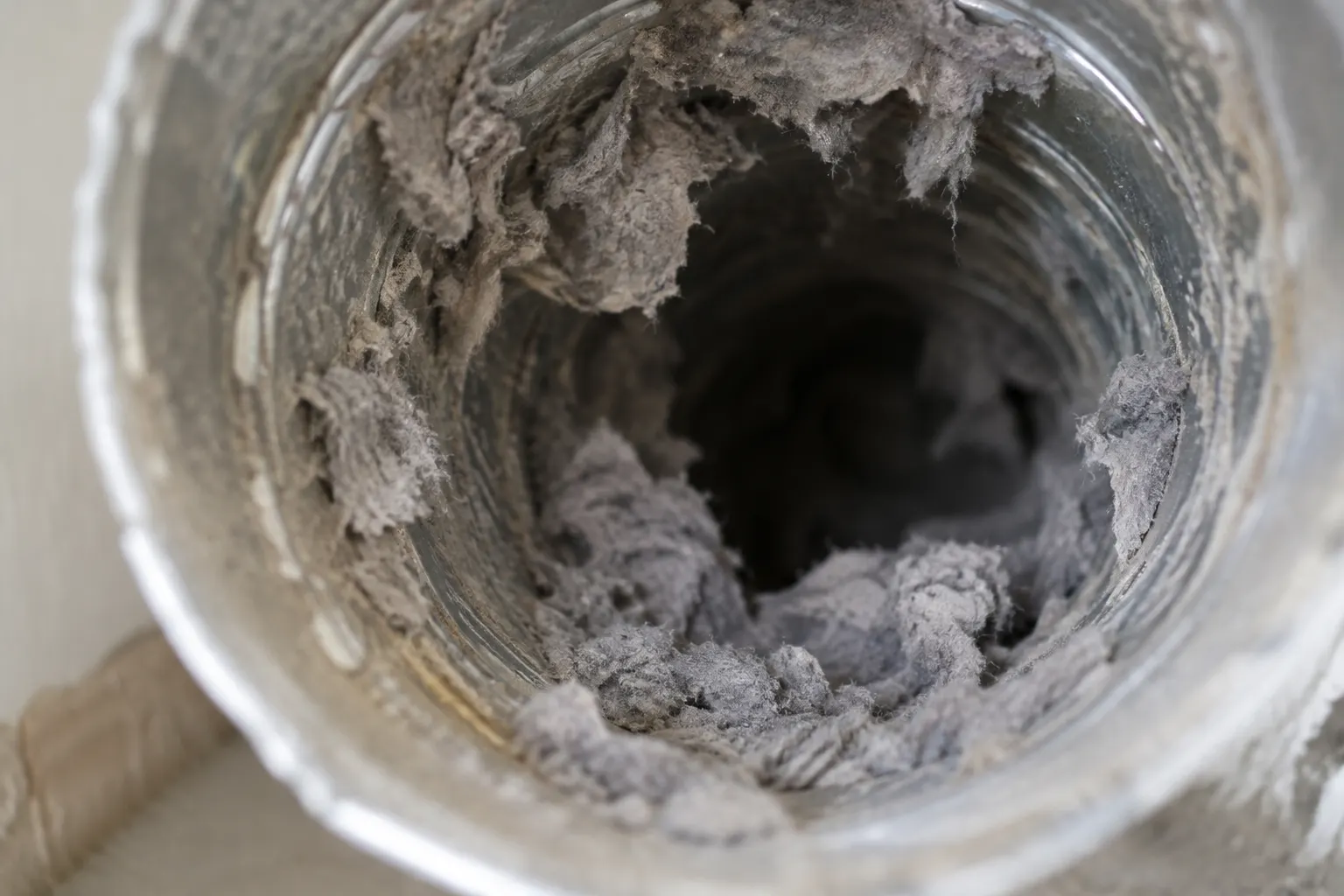
5. The vent hood flap stays shut when the dryer is running
The flap on the exterior vent hood should push open from air pressure when the dryer is on. If it barely moves or stays closed, the duct is blocked enough that air cannot push through. This is a clear sign the vent needs cleaning.
Why this is a fire risk
Lint is flammable. Your dryer generates heat. A blocked vent traps both in a confined space.
Every load sends lint past the trap and into the exhaust duct. In a clear vent, that lint travels outside with the hot air. In a clogged one, it collects on the duct walls, at elbows, and around the vent termination. The dryer keeps producing heat, but the airflow that should carry it outside is choked. That heat stays in the duct, right next to a growing layer of flammable material.
This is exactly the combination that starts dryer fires. NFPA guidance identifies lint as a leading material first ignited in home dryer fires, which is why dryer vent cleaning is specifically flagged for fire risk reduction in industry standards.
A long vent run through an interior wall, a sharp elbow, a flexible foil duct crimped behind the dryer: each of these collects lint faster and narrows the path for hot exhaust. In BC’s damp coastal climate, moisture makes the lint clump and harden, which makes it even harder for air to push through.
How we clean a dryer vent
We use compressed-air agitation and HEPA-filtered negative-air vacuuming to clear the full length of the dryer exhaust duct, from the dryer connection to the vent termination on the outside wall or roof. This is the same source-removal approach we use for residential air duct cleaning, adapted for the smaller diameter of a dryer vent.
The technician checks the exterior vent hood, clears any lint or debris from the termination, and confirms airflow is restored before wrapping up.
If you have been wondering whether your air ducts need cleaning too, adding the dryer vent to the same visit makes sense. Both jobs use the same equipment and the same crew is already on site.
Pro tip: Pull your dryer away from the wall and look at the connection. If you see a white or silver flexible foil duct, it crimps easily and traps lint in the folds. Rigid metal duct is safer and easier to clean.
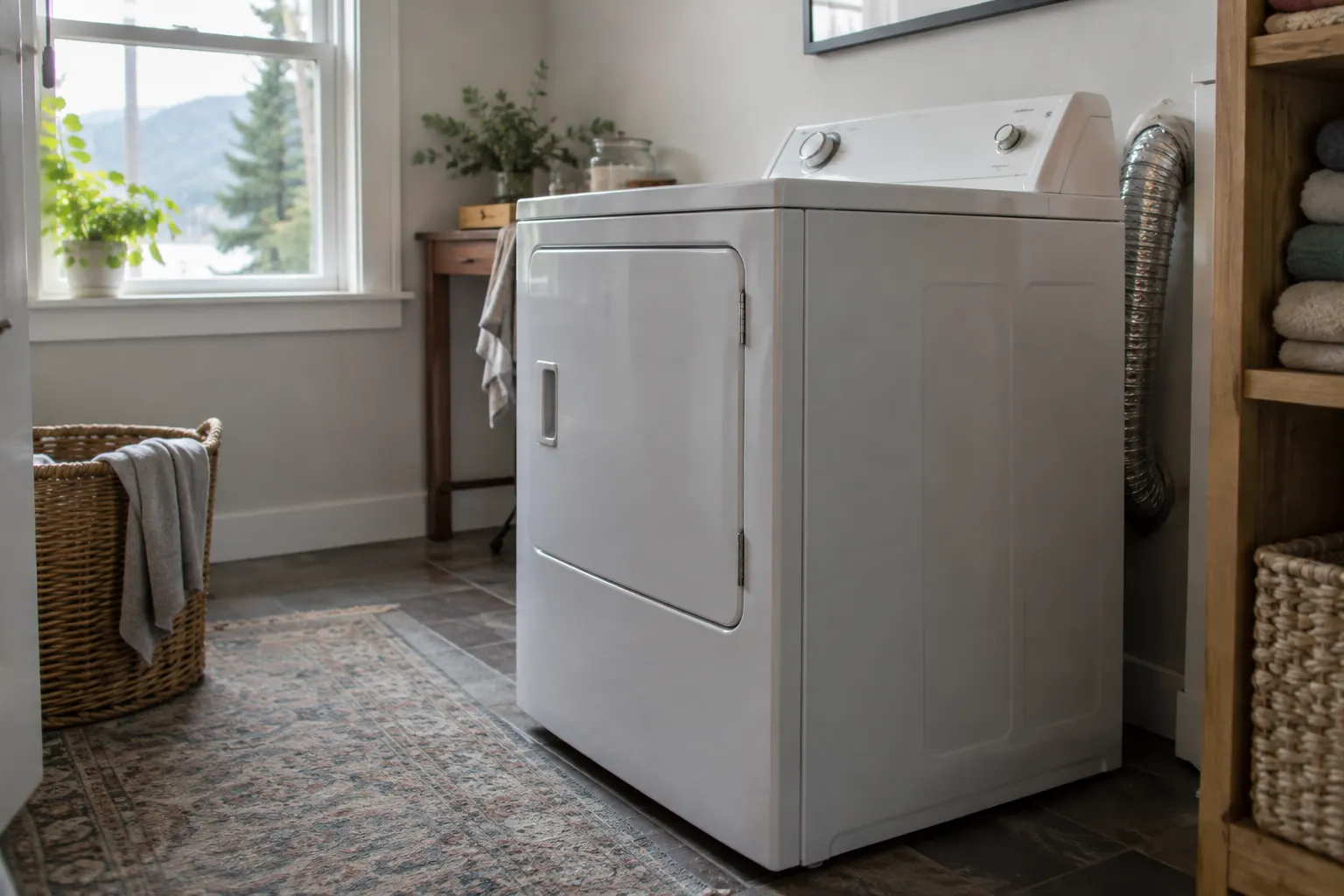
Heads-up: Flexible foil or vinyl dryer ducts can collapse or tear during cleaning. If yours is damaged or crimped, the technician will let you know so you can replace it with rigid metal duct before reconnecting.
When to book it
Once a year is a reasonable starting point. If you run your dryer daily, have a long vent run (common in townhomes and multi-storey houses in the Lower Mainland), or have pets that shed, you may need it sooner.
If your dryer came with the house and you are not sure when the vent was last cleaned, a cleaning now gives you a clean baseline to work from.
Get a free quote
AirCare is NADCA certified with $5M liability insurance and 10+ years of experience cleaning ducts across Metro Vancouver. We clean dryer vents as a standalone service or as part of a full residential duct and furnace cleaning. Get a free quote and we will include the dryer vent in the scope.
Where we do this work
Vancouver, North Vancouver, West Vancouver, Burnaby, Richmond, Surrey, Coquitlam, Port Coquitlam, Port Moody, New Westminster, Delta, Langley, White Rock, Maple Ridge, Pitt Meadows, and Abbotsford.