| Cleaning interval | Every 3 to 5 years for professional cleaning (NADCA) |
| Filter check | Every 1 to 3 months during heating season |
| Annual inspection | Recommended by the Canadian Lung Association |
| DIY-able? | Partly: filters, vents, and thermostat yourself; ducts and furnace need a pro |
| Cost | Free quote |
Key takeaways
- Your furnace filter is the cheapest fix on this list. Swap it before you turn on the heat.
- NADCA recommends duct cleaning every 3 to 5 years. Fall is the best time to book, before every HVAC company in the Lower Mainland gets backed up.
- Your heating system pulls indoor air through the ducts and recirculates it 5 to 7 times per day. Whatever is sitting in there comes back through your living space.
- The Canadian Lung Association recommends having your heating system inspected by a qualified contractor each year.
Most BC homeowners flip the thermostat to heat sometime in October and hope for the best. The furnace kicks on, the house smells dusty for a day or two, and everyone moves on. That approach works until it does not. A quick walk-through of your HVAC system before heating season catches the problems that cost you money and hurt your indoor air quality: clogged filters, blocked vents, dust-packed ducts forcing the blower to work overtime.
This checklist covers what you can handle in an afternoon and what needs a professional.
Why fall matters for your ducts
BC’s coastal climate is hard on ductwork. Summer brings dry spells and, in recent years, wildfire smoke that settles into your system. Fall brings rain and rising indoor humidity. Your heating system sits idle for months, and whatever settled inside over the summer gets pushed through the house the moment you turn it on.
If your home went through a smoky summer, that residue is in your ducts. If you have pets, their dander has been accumulating all year. Older homes in the Lower Mainland often have systems that have not been touched in a decade or more. Fall is the right time to sort it out, before you are running the furnace for hours every day.
Your fall HVAC checklist
1. Replace or clean the furnace filter
This is the first thing to do, every time. Pull the filter out and hold it up to the light. If you cannot see through it, replace it.
The Canadian Lung Association recommends changing or cleaning filters according to your manufacturer’s instructions. Some need replacing every 1 to 3 months; during heating season, check monthly. A dirty filter restricts airflow, makes the blower work harder, and sends more dust into the house.
Pro tip: Write the install date on the filter edge with a marker. That way you never have to guess when it went in.
2. Open and inspect your vent covers
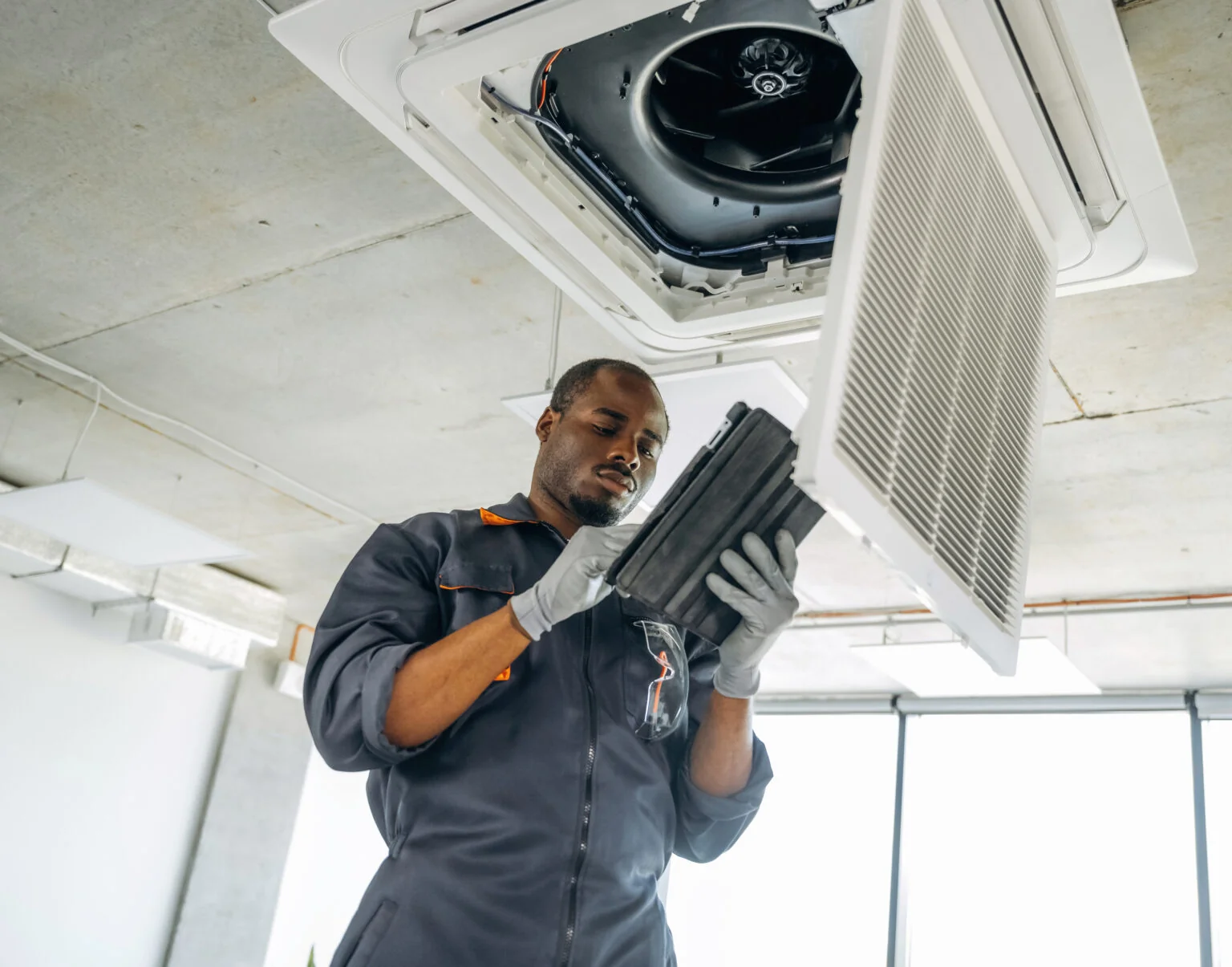
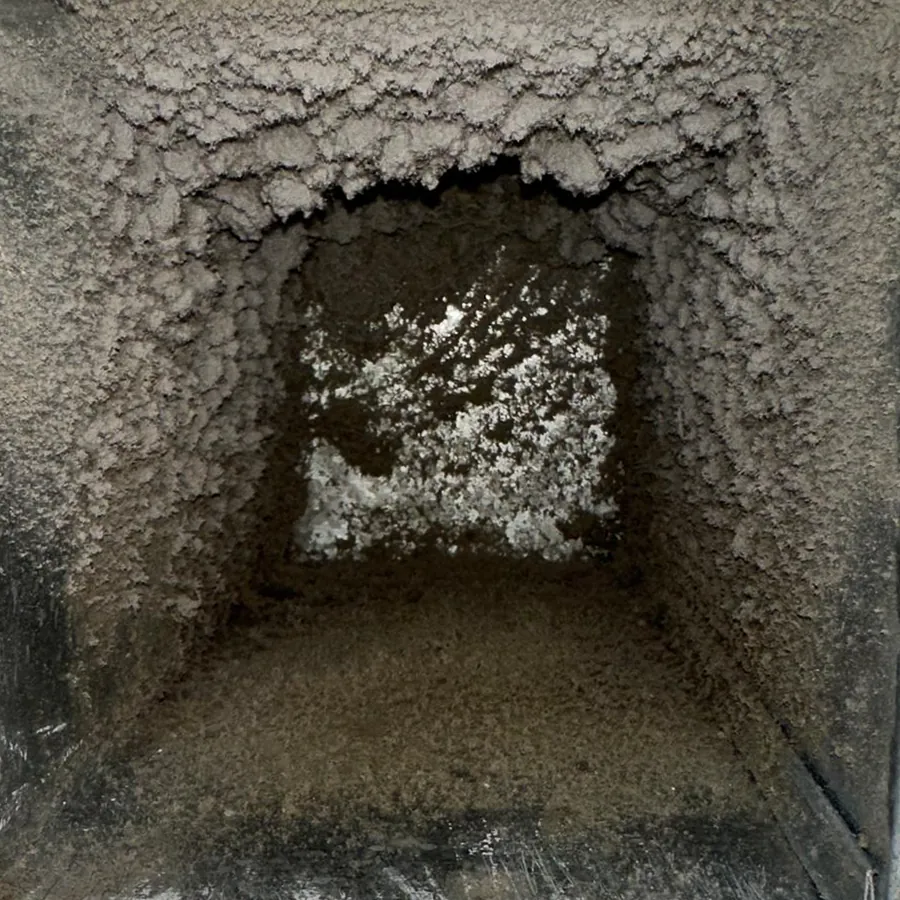
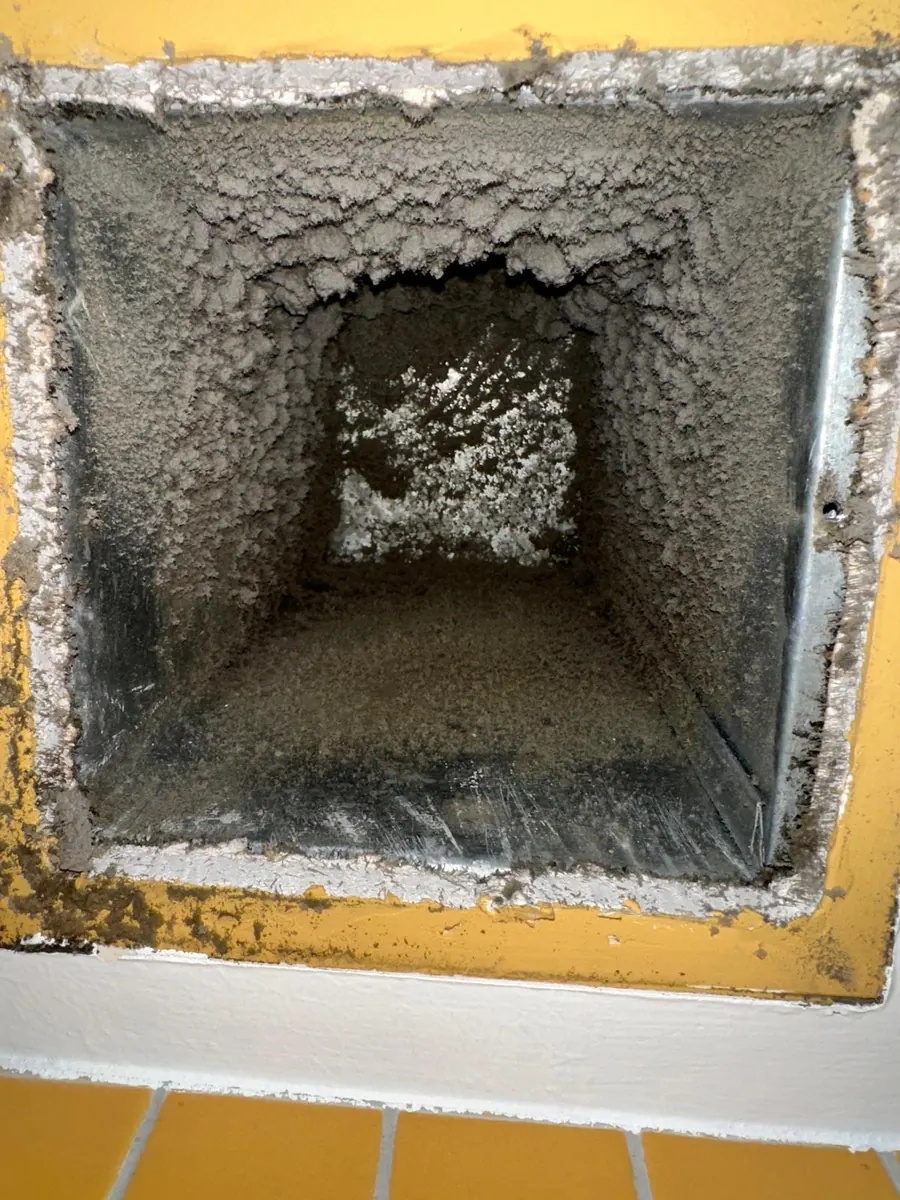
Pull off a few supply and return vent covers and look inside. If you see a visible layer of dust, pet hair, or dark buildup on the inside edges, that tells you something about what is deeper in the system. Wipe down the covers with a damp cloth and put them back.
Blocked or closed vents create pressure imbalances that make your system less efficient. Make sure none are covered by furniture, rugs, or boxes.
3. Clear the area around your furnace
Your furnace needs airflow to operate safely. Boxes, paint cans, cleaning supplies, holiday decorations: move them at least a metre away. Check that the condensate drain is not blocked. A plugged drain can shut down a high-efficiency furnace mid-season.
4. Test your thermostat
Switch to heat mode and set the temperature a few degrees above room temperature. The furnace should fire within a couple of minutes. If nothing happens, check the batteries (if it uses them) and make sure the breaker is on. A thermostat that worked fine in spring may have dead batteries by October.
5. Check your bathroom exhaust fans
Bathroom fans remove moisture that feeds mould growth in your walls and ductwork. Turn each one on and hold a tissue near the grille. If the tissue sticks, the fan is pulling air. If it flutters or falls, the fan or its ductwork may be clogged.
The Canadian Lung Association recommends running bathroom exhaust fans for at least 15 minutes after showering. If yours can barely hold a tissue, it is not doing that job. We go into more detail in our bathroom fan cleaning guide.
6. Inspect your dryer vent
Pull the dryer away from the wall and check the hose for kinks, lint buildup, or damage. Go outside and look at the exterior vent flap. If lint is visible or the flap is stuck, the vent needs clearing.
A clogged dryer vent is a fire hazard and makes your dryer run hotter and longer. Our dryer vent guide covers the warning signs in detail.
7. Book a professional duct and furnace cleaning
The DIY items on this list are worth doing, but they only cover the surfaces you can reach. NADCA recommends professional duct cleaning every 3 to 5 years. If you are near or past that window, fall is the time.
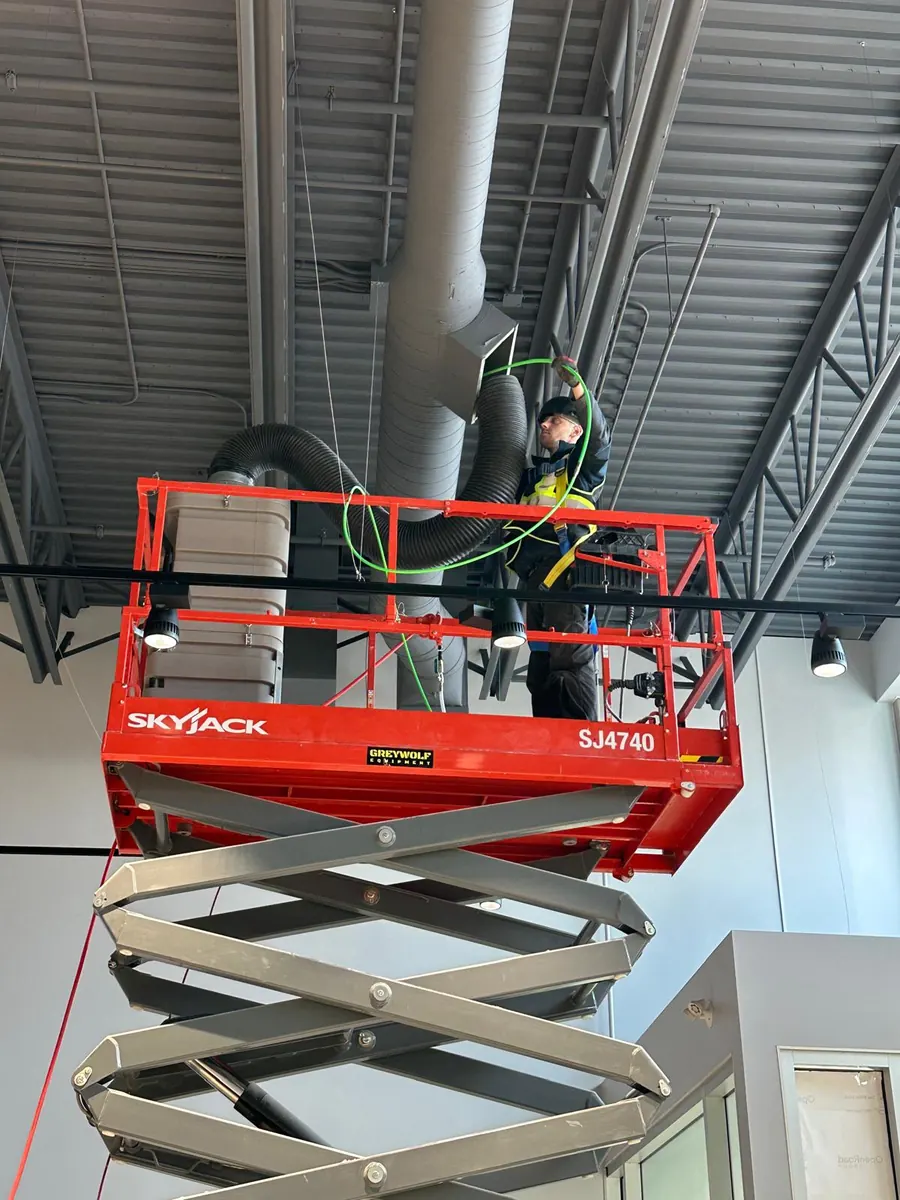
Your heating system recirculates indoor air 5 to 7 times per day. A professional cleaning removes what has built up inside the ducts, the blower compartment, and the furnace itself. On average, we remove 47 lbs of mold, dust, and debris per home. We use HEPA-filtered negative-air equipment and compressed-air agitation, and before we close the system we invite you to see the final cleaning of the main trunk.
It makes a difference on your energy bills too: a 26% drop in energy use after duct cleaning, and $1,020 saved on heating and cooling between services.
Heads-up: If your last cleaning cost very little and took under an hour, the return side was probably never touched. A proper duct and furnace cleaning takes a few hours because the technician works through every supply and return run individually.
Get your system ready
Running through this checklist takes an afternoon for the DIY steps. For the professional cleaning, get a free quote and we will get you on the schedule before heating season hits full stride. We are NADCA certified, licensed, insured with $5M liability coverage, and backed by 100+ Google reviews at a 5.0 rating.
Where we do this work
We clean ducts and furnaces across Metro Vancouver and the Fraser Valley: Vancouver, North Vancouver, West Vancouver, Burnaby, Richmond, Surrey, Coquitlam, Port Coquitlam, Port Moody, New Westminster, Delta, Langley, White Rock, Maple Ridge, Pitt Meadows, and Abbotsford.