| Who books it | Strata council or property manager |
| Inspection frequency | Annually (NADCA) |
| Best timing | Shoulder seasons or weekday business hours |
| Where the work happens | Hallways, mechanical rooms, rooftop units |
| Resident disruption | Minimal with advance notice |
| Price | Custom quote |
Key takeaways
- NADCA recommends annual inspections for commercial HVAC systems, and that includes strata common areas.
- Under BC’s Strata Property Act, the strata corporation is responsible for maintaining common property, including shared ventilation.
- Scheduling during shoulder seasons or weekday mornings keeps noise and disruption to a minimum for residents.
- A written report at the end of every job gives council documented proof that the maintenance was completed.
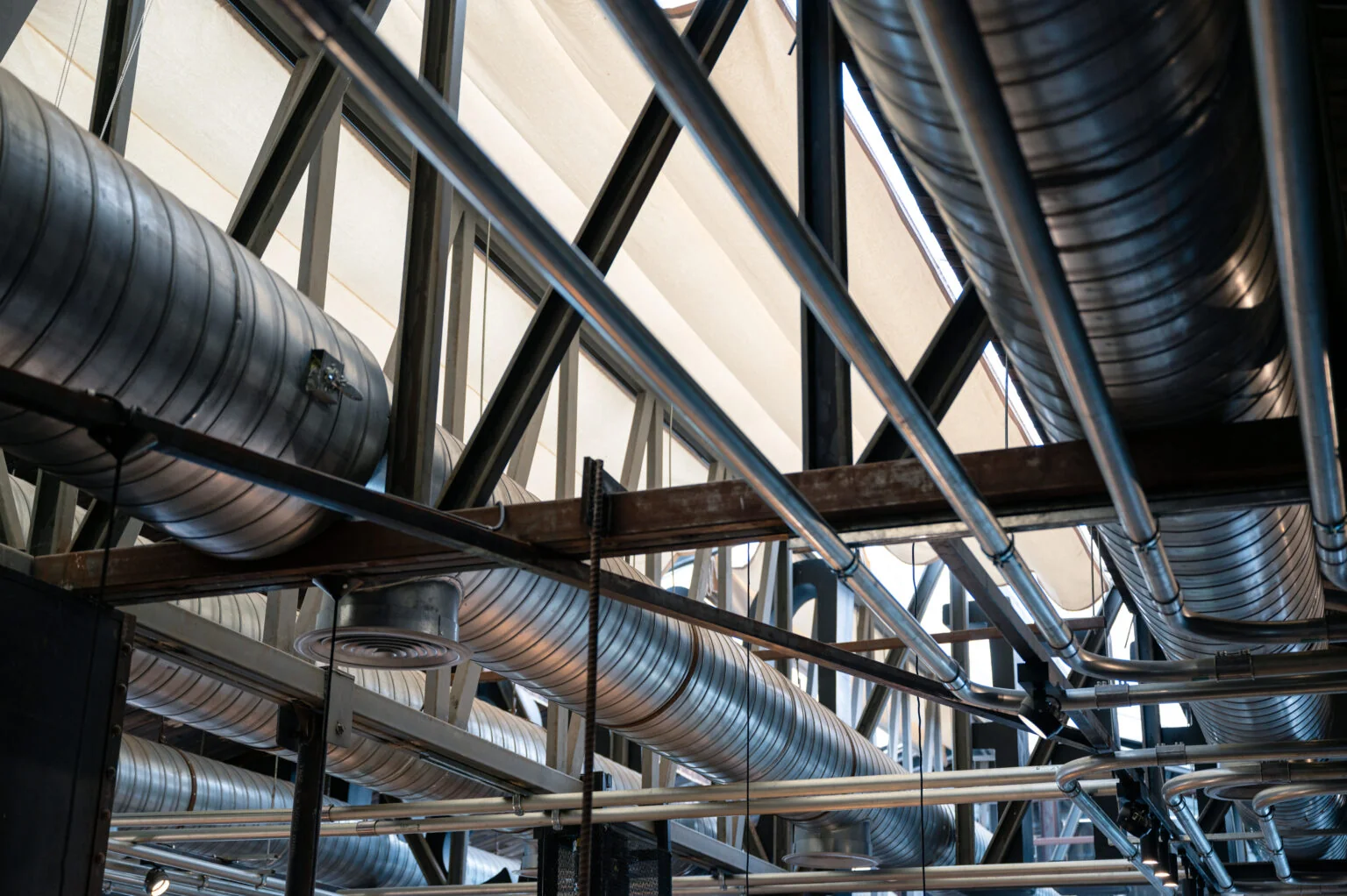
Strata common-area duct cleaning covers all the shared ventilation that individual owners do not control: hallway supply and return ducts, air handling units, rooftop units, corridor grilles, and mechanical-room equipment. In Metro Vancouver and across BC’s coast, that shared ductwork collects moisture-driven dust and debris year-round. Air passing through the system gets re-circulated 5 to 7 times per day, on average, according to NADCA. Over time, that buildup affects indoor air quality in every suite the system serves.
The scheduling challenge is what makes strata jobs different from other commercial work. You need council approval, a property manager who coordinates access, and enough notice so residents know what is coming.
Why common-area ducts need cleaning in strata buildings
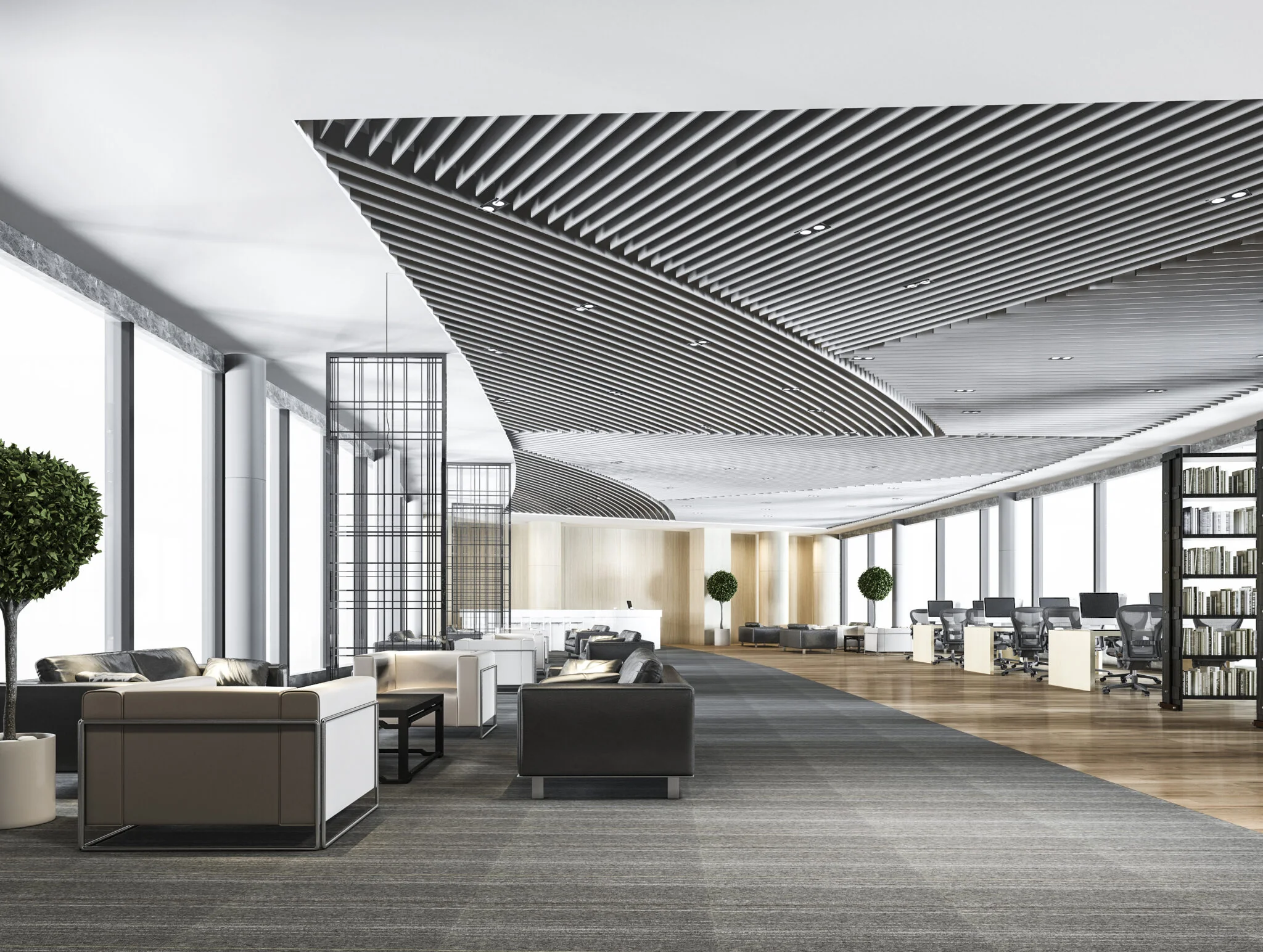
Strata hallways, lobbies, and parkade corridors share ventilation with the mechanical systems that serve the building. Dust, pollen, and moisture from the coastal climate settle into ductwork just like they do in any commercial building. The difference is that strata residents live directly beside the corridors and common areas being cleaned.
Left alone, buildup in shared ductwork reduces airflow from air handling units and rooftop units, pushes the HVAC system harder, and spreads contaminants through corridors and into suites served by central air. For buildings that allow pets or have undergone common-area renovations, the buildup is typically worse.
Who pays and who schedules
Under BC’s Strata Property Act, the strata corporation must maintain, repair and renew common property and assets. Shared HVAC ductwork falls squarely into that category. The cost comes from the operating budget or the contingency reserve fund, depending on how the strata’s financials are structured.
BC’s updated depreciation report requirements now specifically list air conditioning and ventilation among the building systems that must be assessed. That means your depreciation report already accounts for HVAC maintenance. Having a cleaning record on file shows auditors and owners that the strata corporation is keeping up with the plan.
The strata council approves the work. The property manager coordinates access, timing, and contractor logistics. The cleaning contractor handles the rest.
How to schedule around residents
Pick a shoulder season
Spring and fall sit between heating and cooling peaks. The HVAC system is under less load, which means shorter shutdowns when the crew needs to isolate sections. Residents are less likely to notice a few hours without corridor heating or cooling on a mild October morning than on a January cold snap.
Coordinate with the property manager
The property manager holds the keys: mechanical room access, elevator booking for equipment, loading dock scheduling, and the building’s noise bylaw hours. A good property manager will also flag upcoming events (AGMs, move-in weekends, holiday periods) that the cleaning crew should work around.
Give residents advance notice
A notice posted in the lobby and distributed by the property manager two weeks out covers most situations. It should include the dates, the approximate hours, where the crew will be working (hallways, rooftop, mechanical rooms), and what residents can expect (temporary noise, brief hallway closures). Strata councils that communicate the “why” alongside the “when” tend to get fewer complaints at the next AGM.
What the cleaning covers
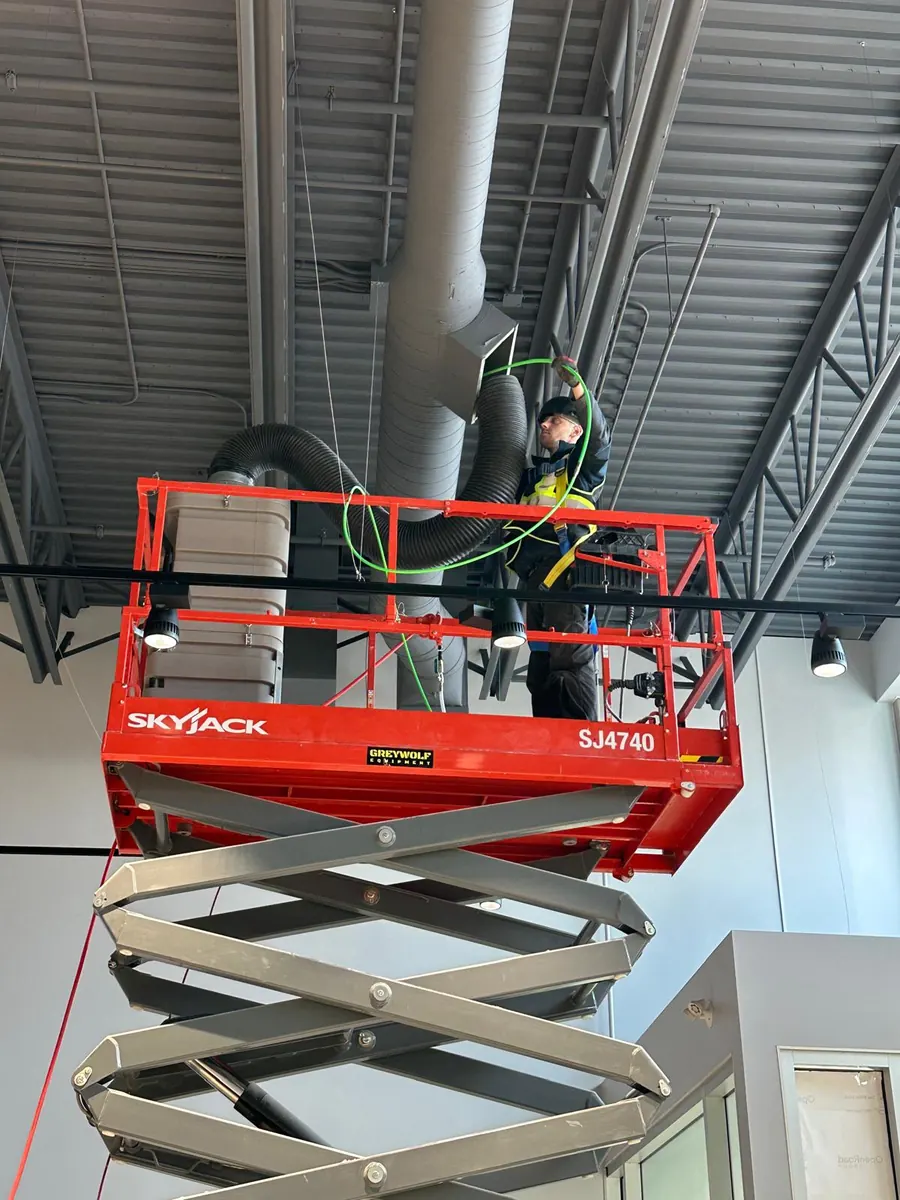
A common-area duct cleaning scope in a strata building typically includes:
1. Supply, return, and exhaust ductwork
Accessible supply, return, and general exhaust ductwork cleaned using HEPA-filtered negative-air vacuuming and compressed-air agitation. In an occupied strata building, HEPA filtration is what keeps dust from migrating into hallways and suites during the work.
2. Air handling units and rooftop units
Accessible internal surfaces and coils cleaned using HEPA vacuuming, compressed air, and coil cleaner where appropriate. This restores heat transfer and airflow across the unit.
3. Corridor grilles, diffusers, and VAV boxes
Removable components are taken out and air-washed before reinstallation. Fixed grilles are power-wiped in place.
4. Bathroom exhaust fans and ductwork
In-suite bathroom exhaust fans and their shared ductwork cleaned to restore exhaust airflow and reduce moisture buildup in corridors.
Any new access openings are made and closed to SMACNA and UL 181 standards. The scope follows NADCA ACR, The NADCA Standard for assessment, cleaning, and restoration. Cleanliness is verified after the work using either a visual inspection or the NADCA Vacuum Test. Engineering controls (negative air pressure, HEPA filtration) are maintained throughout to keep dust out of occupied areas.
Pro tip: Ask the cleaning contractor for a sample report from a previous strata job. It should include before-and-after photos, a scope summary, and cleanliness verification results. If a company cannot show you one, keep looking.
After the work: reports for council
Every commercial job we do ends with a Certificate of Completion and a before-and-after photo report. The report documents what was cleaned, the condition before and after, and verification results.
This matters for strata corporations in particular, because owners ask questions. At AGMs, a council member who can point to a completed cleaning report with photos has a straightforward answer. The report also feeds into the building’s depreciation report cycle, documenting that HVAC ventilation maintenance is on schedule.
Heads-up: Booking common-area duct cleaning during peak heating season means the system is running at full load. Equipment shutdowns take longer, and any delay extends the outage for residents. Shoulder seasons give the crew and the building more room.
Get a free quote
We are NADCA certified, WorkSafeBC compliant, and carry $5M liability insurance with 10+ years of experience in commercial HVAC cleaning across BC. We clean strata buildings, hospitals, schools, and office towers across the province. For common-area duct cleaning in your strata building, get a custom quote.
If you are comparing what a commercial duct cleaning in BC covers, that article walks through the full scope. For strata dryer vents specifically, see our guide on strata dryer vent cleaning.
Where we do this work
We clean strata common-area ductwork across BC: Vancouver, Burnaby, Surrey, Richmond, Coquitlam, Port Coquitlam, Port Moody, New Westminster, North Vancouver, West Vancouver, Delta, Langley, White Rock, Maple Ridge, Pitt Meadows, Mission, Abbotsford, Chilliwack, Squamish, Whistler, Kamloops, Kelowna, Vernon, Nanaimo, and Victoria. See all service areas.